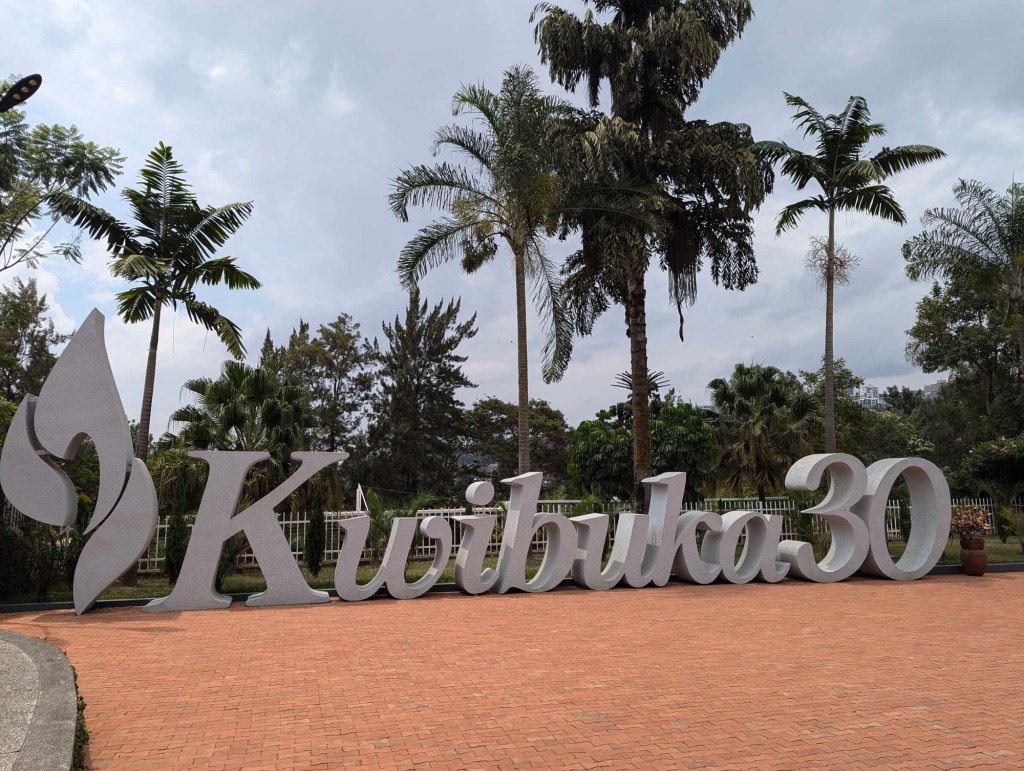
We were able to sleep decently and had a breakfast downstairs before our driver, Fred, came to pick us up for our next adventure. We first stopped at the Kigali Genocide Memorial. We watched a short film giving a brief introduction to the genocide and its lasting impact before a self-guided tour began. Most of my knowledge from these events is from movies like Hotel Rwanda or Sometimes in April. I won’t spend the whole post getting into the background of it, as that can be looked up online, but its roots (like many things in Africa) are colonial in origin — in this case Belgians who chose to elevate one group of Rwandans (Tutsi) over another (Hutu) based superficially on appearance, size of their noses etc.
Needless to say, this caused some deep-seated resentment amongst the Hutu majority. When the Belgians withdrew, tensions flared up, massacres occurred, and other events that on their own could have been classified as genocide took place. The main focus of the museum, however, are the events of April – July 1994. Over the course of those few weeks, 800,000 people were tortured, raped, and killed by Rwandan government forces or militias who were supporting them with guns, machetes, and clubs. Unlike the nazis who progressively annihilated the Jews through a sort of engineered mass killing machine like gas chambers, the Rwandan genocide was executed at an extremely personal level. Neighbors turned on each other. Children were not exempt. It was not merely Hutu versus Tutsi. Hutus who expressed any sympathy toward the Tutsis, those who ever employed a Tutsi, those who married Tutsis, those who had even slightly moderate views could end up on a kill list.
The international community was basically inept in dealing with it. Former President Clinton admits it was the greatest regret of his political career to not act sooner . . .or at all. The UN security forces sent there were for show or to extract white people from danger. All in all, a very frustrating situation which the museum did a good job in confronting at both a systemic and personal level. But now we began our drive toward Uganda.
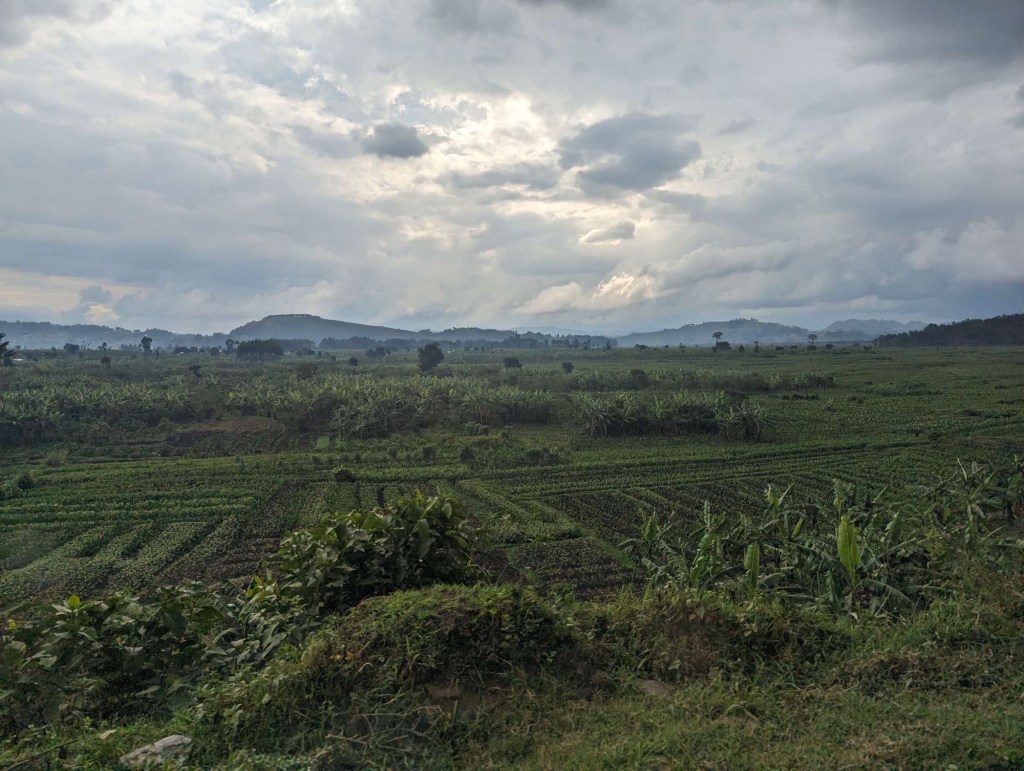
It was a very scenic drive on very good roads. We wound through the hills of Rwanda, which is known as the land of a thousand hills or “Mille Collines,” which is incidentally the actual name of the hotel which Hotel Rwanda is based off of. It is hard to imagine such a beautiful landscape being transformed into a kill zone for machete-wielding militias going house to house slaughtering innocents. We stopped off for a quick lunch in Northern Rwanda near the border. I had a traditional and authentic Rwandan spaghetti arrabbiata.
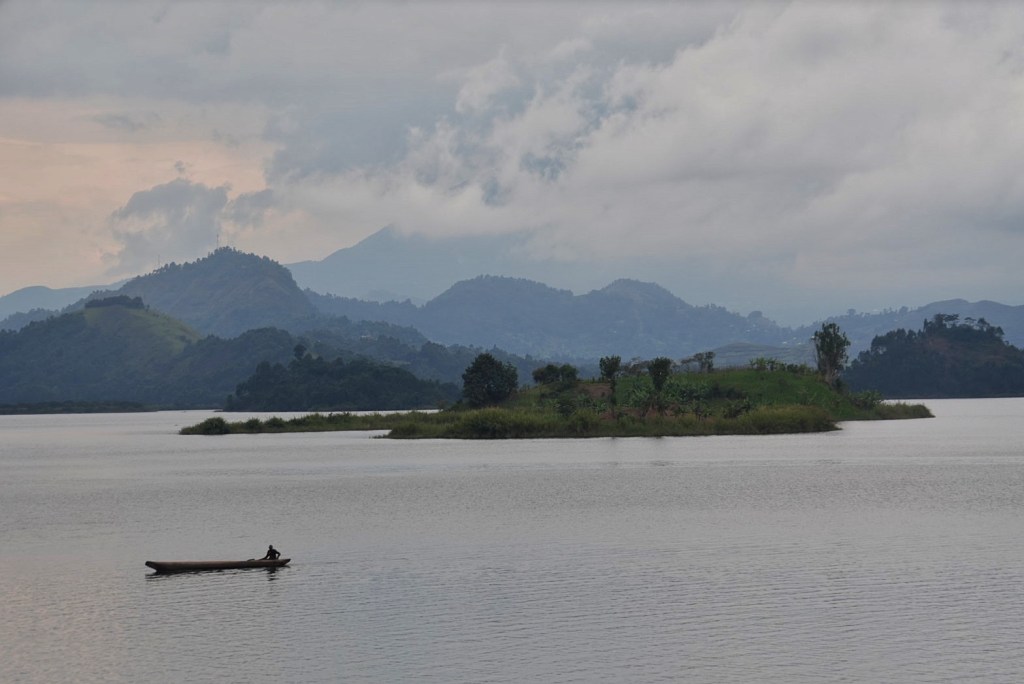
It took us about thirty minutes at the border with Uganda to pass through the various checkpoints, but we were soon through. The roads in Uganda weren’t quite as good, but still better than Kenya. The further we got from civilization, the rougher the roads became. Eventually we were on an unpaved, heavily rutted and muddy road down to the Mutanda Lake Resort. We can see a volcano from our room as long as the clouds cooperate. We rested a spell before getting our dinner at the restaurant. There were only two options and none were margherita pizza, so Nicole ordered a vegetable curry.
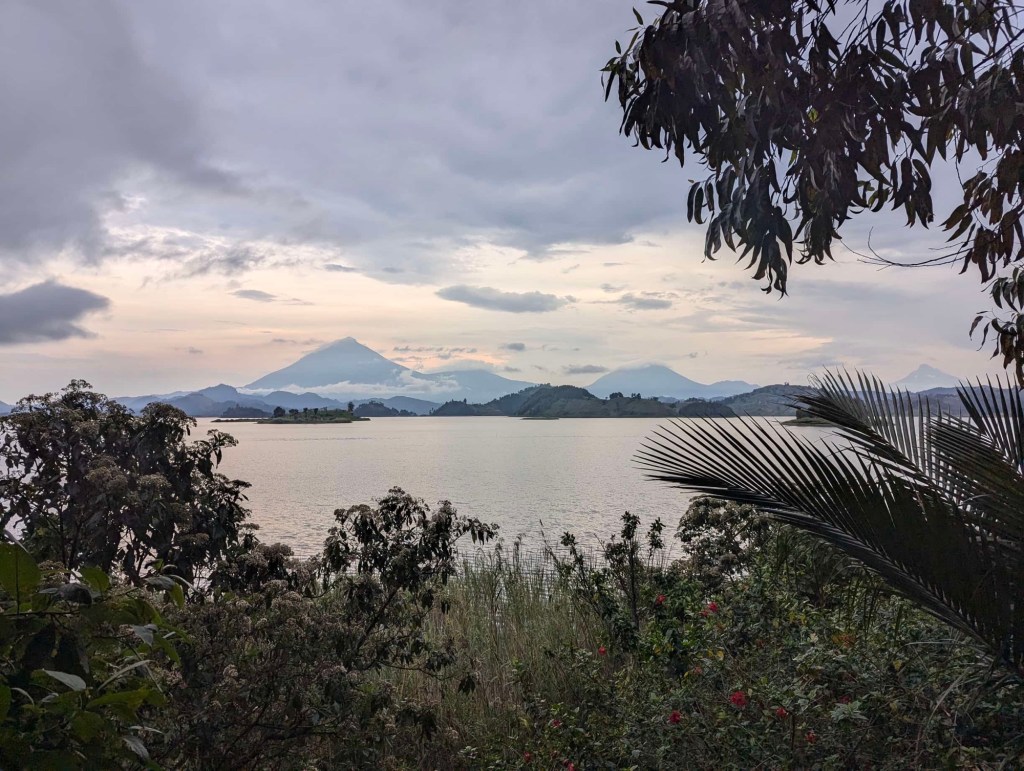
Tomorrow is another early start as we attempt to track and observe the mountain silverback gorillas. Hopefully it doesn’t take the allotted six hours to find them. That sounds tiring. It would be nice to come back and just watch the clouds roll over the volcanoes above the lake. Now off to bed.
 passports & pepto bismol