
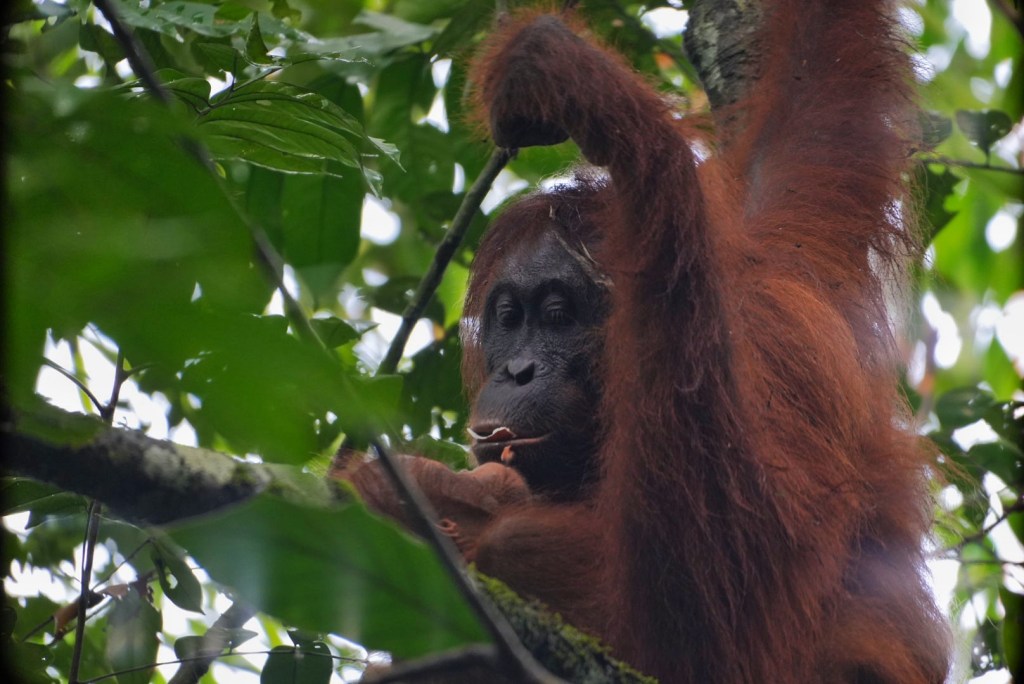
As I mentioned earlier, we had hoped to see gorillas in Uganda, but that all fell through due to some targeted violence at one of the national parks. We did, however, have the chance to see a different kind of large primate — the orangutan. Like the gorilla in east Africa, the orangutan population has been decimated thanks to humans and their various weird exploits. The remaining orangutan population is now limited to just Borneo with a few on Sumatra.
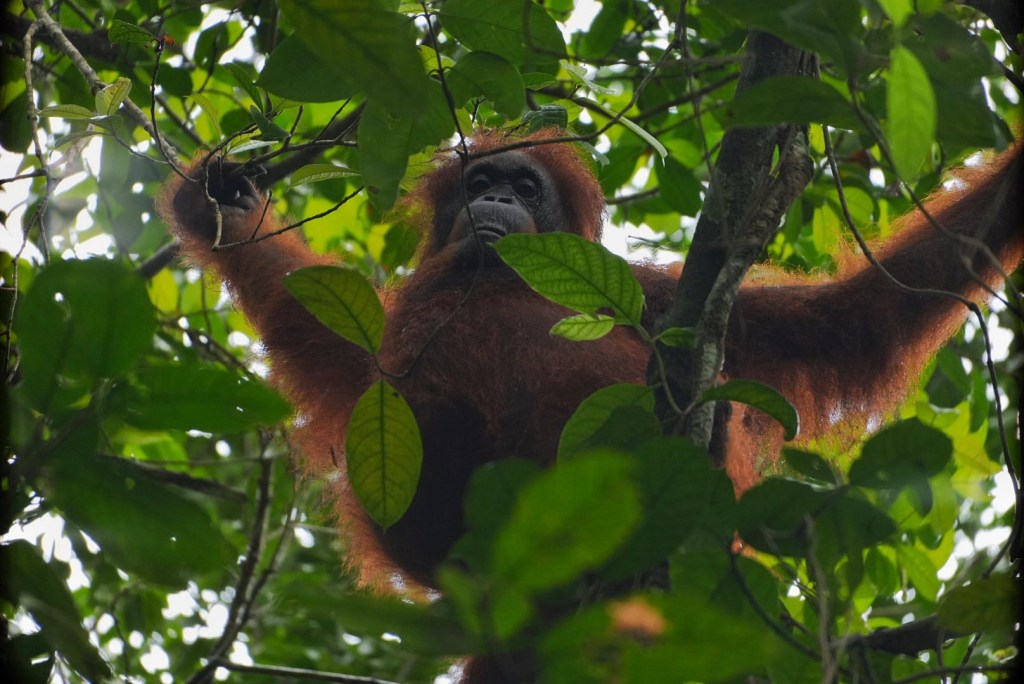
There are a few places that one can hope to see the elusive orangutan. They are a fairly solitary creature after all. One such place was the nearby Semenggoh Wildlife Centre — a 30 minute drive south. It is a sort of semi-wild environment. There are no cages and the animals live freely, but they are protected by the rangers who tend to the park. They attempt to entice the orangutans into more open areas by laying out fruit at 9am and 3pm every day, but this is not a guarantee of a sighting.
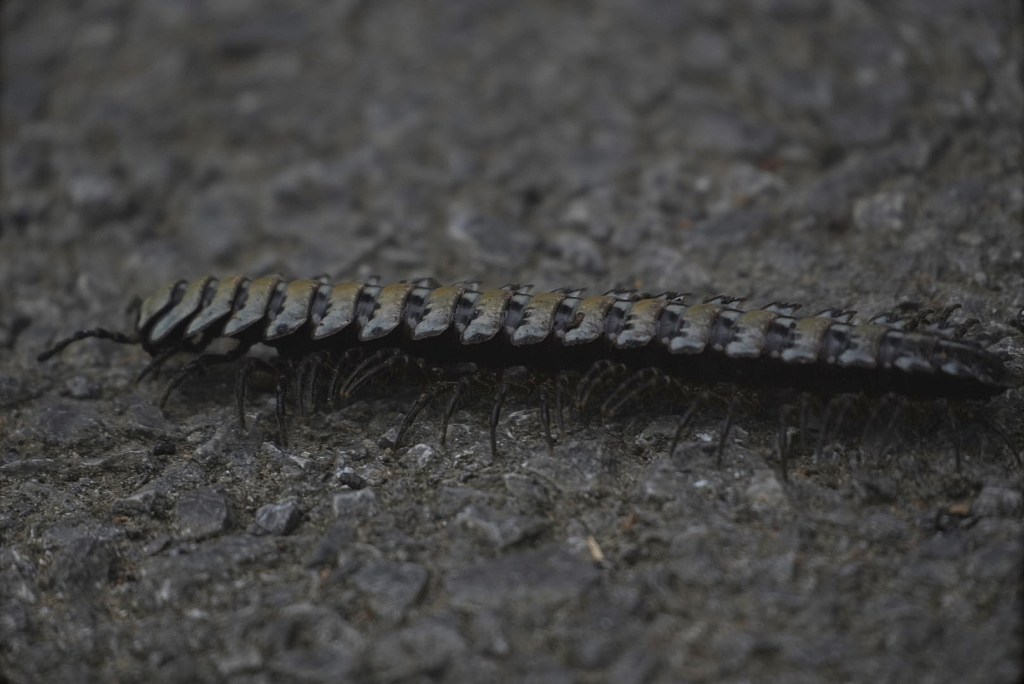
We were informed that it is fruiting season, which means that the orangutans would have plenty of sources of food in the jungle without needing to come to say hi to the tourists. In any event, 30 minutes passed by without any sightings. I was a little dejected, and thought my only wildlife shot would be this centipede made of legs and nightmares.
We were marched slowly down different trails with no clear objective. The guides talked in hushed tones so if you weren’t within six feet of them, you missed what they were talking about. The reserve was scheduled to close at 10am until the next feeding, so our time was somewhat limited. At 940am, there was a radio call that someone saw a tree shaking. I almost laughed at the absurdity of the excitement. I also didn’t hear the guide as we were then marched away again as if news of a tree shaking was enough to consider our visit a success. I assumed since it was close to 10am, that was it and we were being shuffled out of the park.
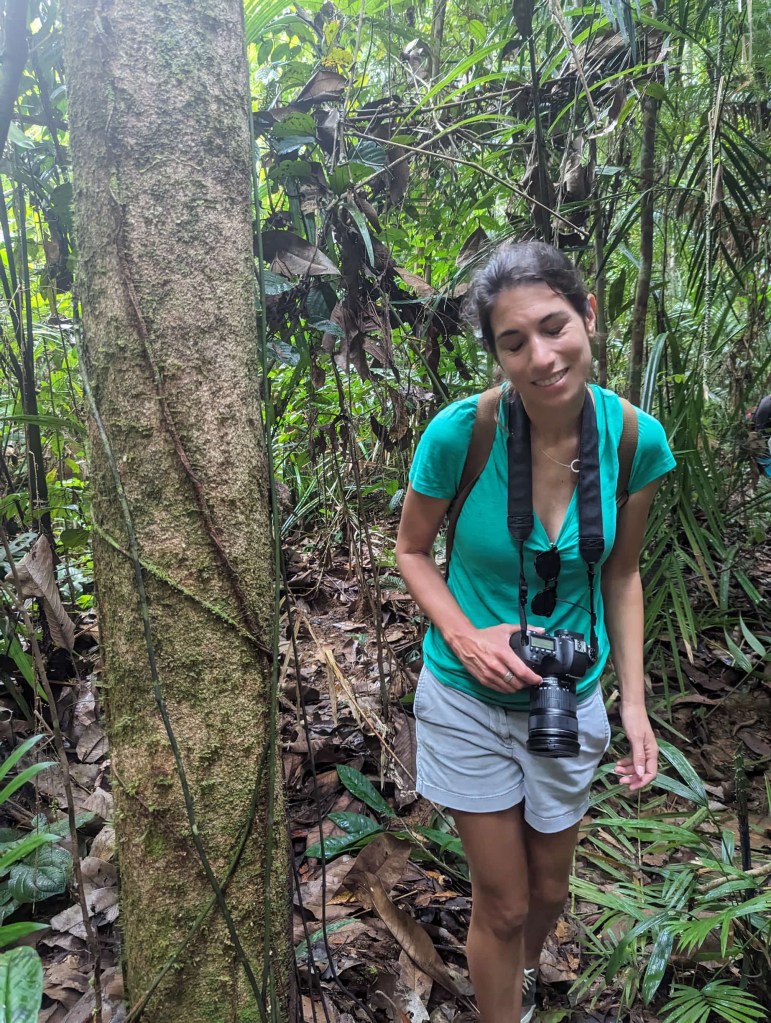
Instead, we were marched into the jungle itself on a barely discernible “trail” through mud. I don’t think this is normally done, and the lack of a trail seemed to indicate that. People would occasionally point out something in the trees, but I didn’t see anything until about five minutes later when a 53 year old female orangutan named Seduku came into view, swinging from tree to tree.
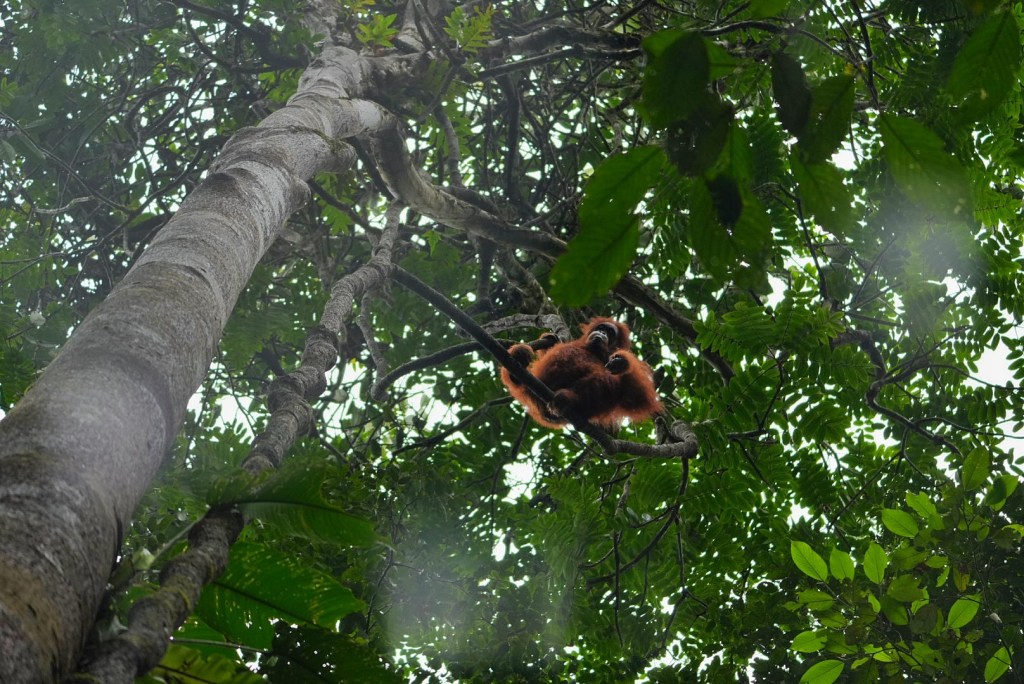
She was enticed closer with some fruit. Photography was a bit challenging nonetheless because shooting through tree branches and shadows while at the same time trying to capture a subject that liked to move was no easy feat.
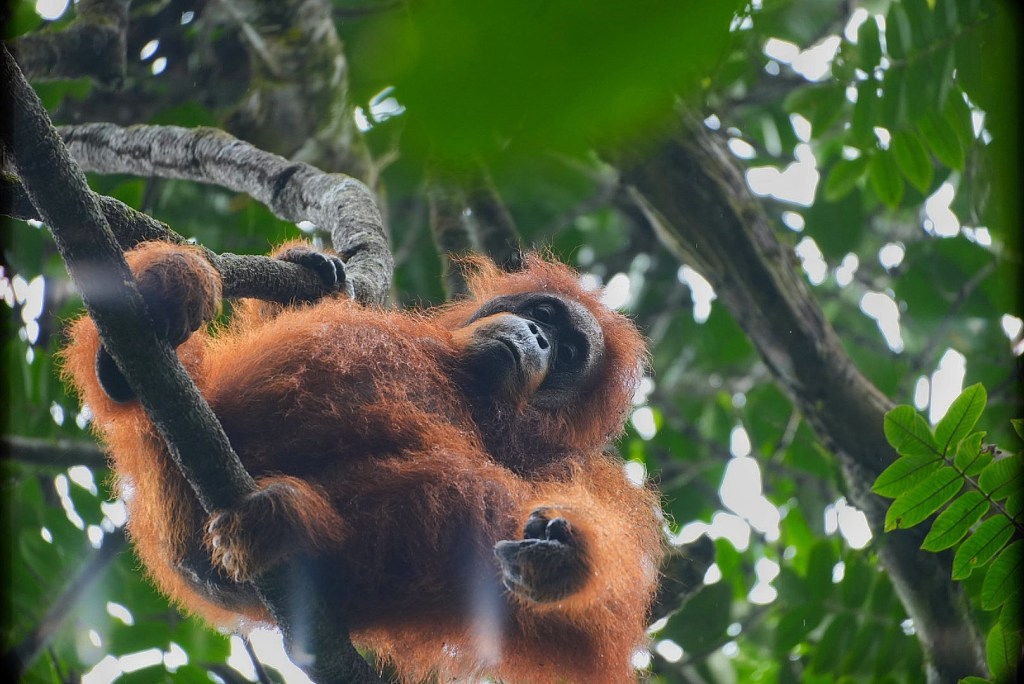
Seduku retreated deeper into the jungle, and the morning session had long-since ended. We made our way out of the park. Nicole wasn’t able to get a good focus-lock for any decent pictures at all, and I didn’t actually take that many pictures in total, so we left with mixed emotions. After taking the 30-minute Grab back to the city, we debated our options. It had now started raining, so we didn’t venture out for some time. We grabbed a snack lunch and I tried to do my own weather predictions based on some satellite imagery. I suspected the rain would stop for the afternoon Orangutan session even though all other forecasts said otherwise. Our ticket was valid for the entire day, and the Grab cost was the equivalent of about $5, so we weren’t really out anything by giving it another go.
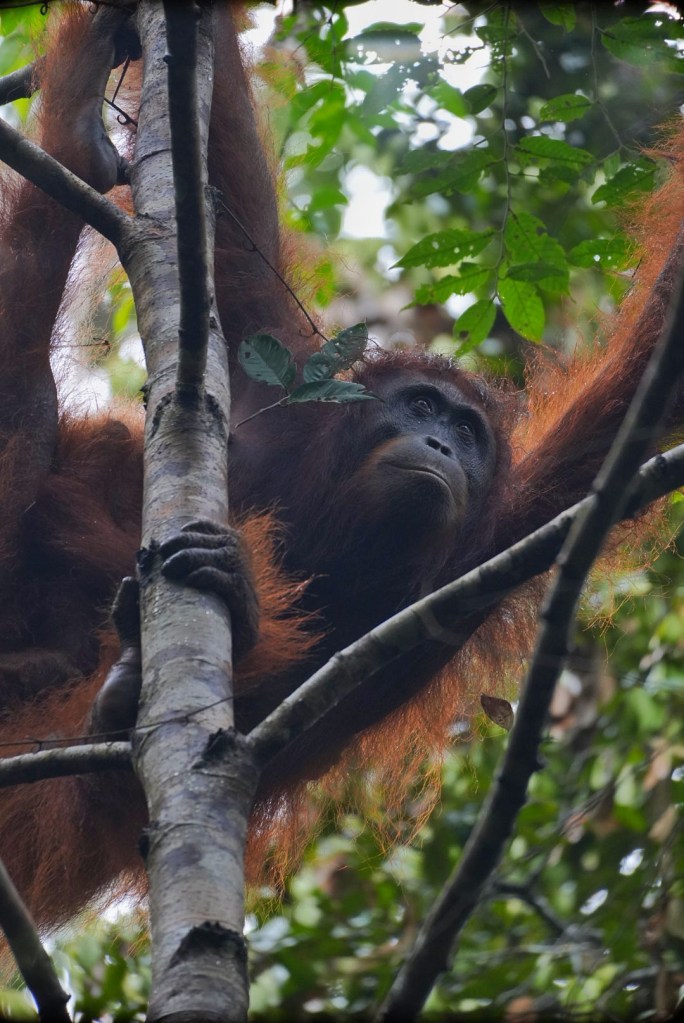
It almost followed an identical pattern as the morning. Forty minutes had elapsed and no sightings anywhere. With less than twenty minutes remaining, the rangers radioed that a mother named Analisa, and her offspring had been sighted. We were quickly rushed up another muddy trail where we waited in anticipation. I think the rangers were just as excited. They said they hadn’t seen this particular orangutan in a few months. Her offspring is unnamed because as of yet the rangers were unable to identify what gender it is. I guess they weren’t able to see the bits.
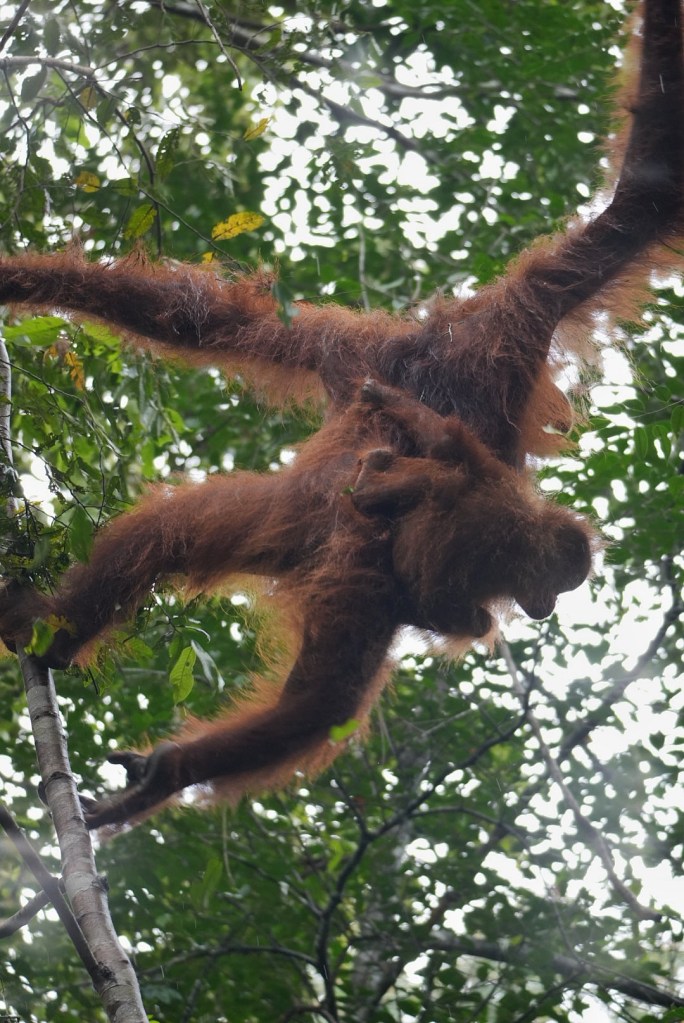
Analisa and her mystery offspring swung through the trees — a bit more hesitant than Seduku, who happens to be Analisa’s mother by the way. Our small group was quiet and patient and eventually Analisa became more comfortable with us.
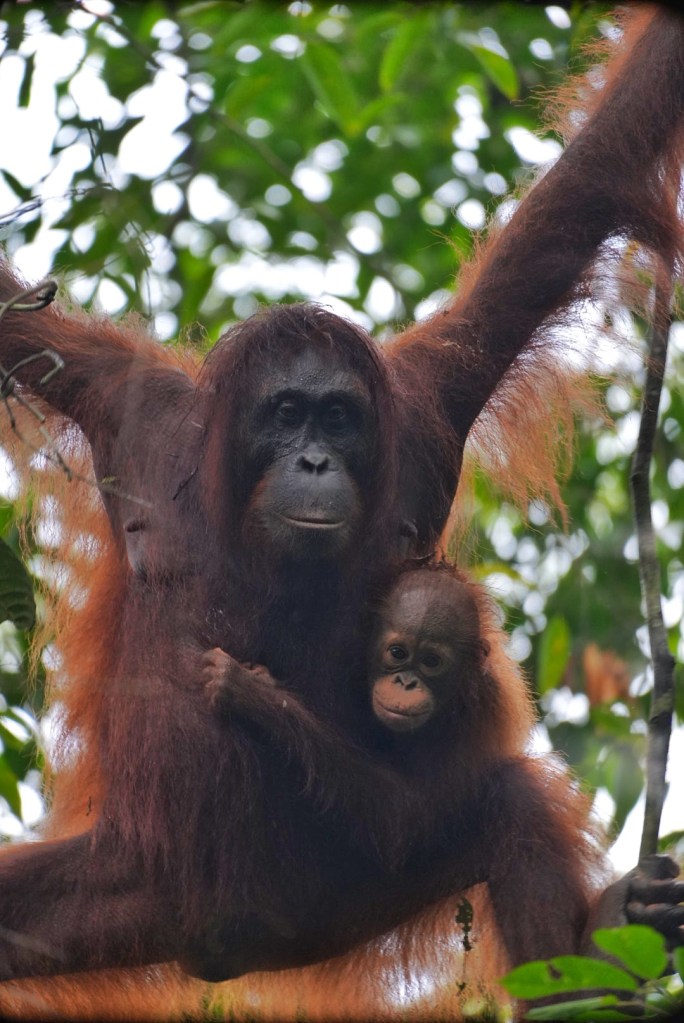
We kept shifting positions as she moved to give her some space. It was now more than 30 minutes beyond when we were supposed to have left, but it seemed like the rangers did not care about this fact. As Analisa began to move on, so did we. The senior ranger asked if anyone was using Grab, and we said we were. He volunteered one of the other rangers to drive us back to Kuching. The young man who was voluntold appeared to be a bit surprised by this. Apparently he is also a Grab driver — working two jobs to support his family. He was very very talkative — asking Nicole and I all kinds of questions. It was at times a bit overwhelming for a couple of introverts, but interesting nonetheless.
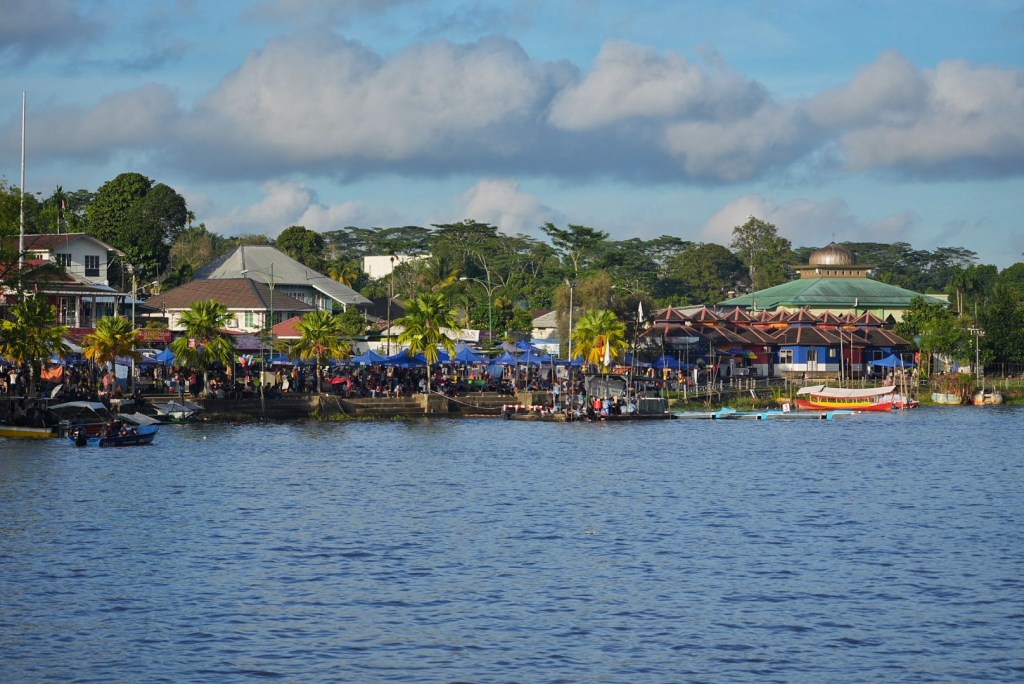
The sun was out on the waterfront in Kuching when we arrived. A regatta had just taken place on the Sarawak River. I feel it was a very successful day despite a few setbacks with photos and weather. We had dinner back at the Hilton where I had a local Dayak dish of sweet-and-sour pineapple fish. Nicole had a margherita pizza. Tomorrow we hope to visit Bako National Park despite there being more rain in the forecast. Hopefully all goes well.
 passports & pepto bismol