
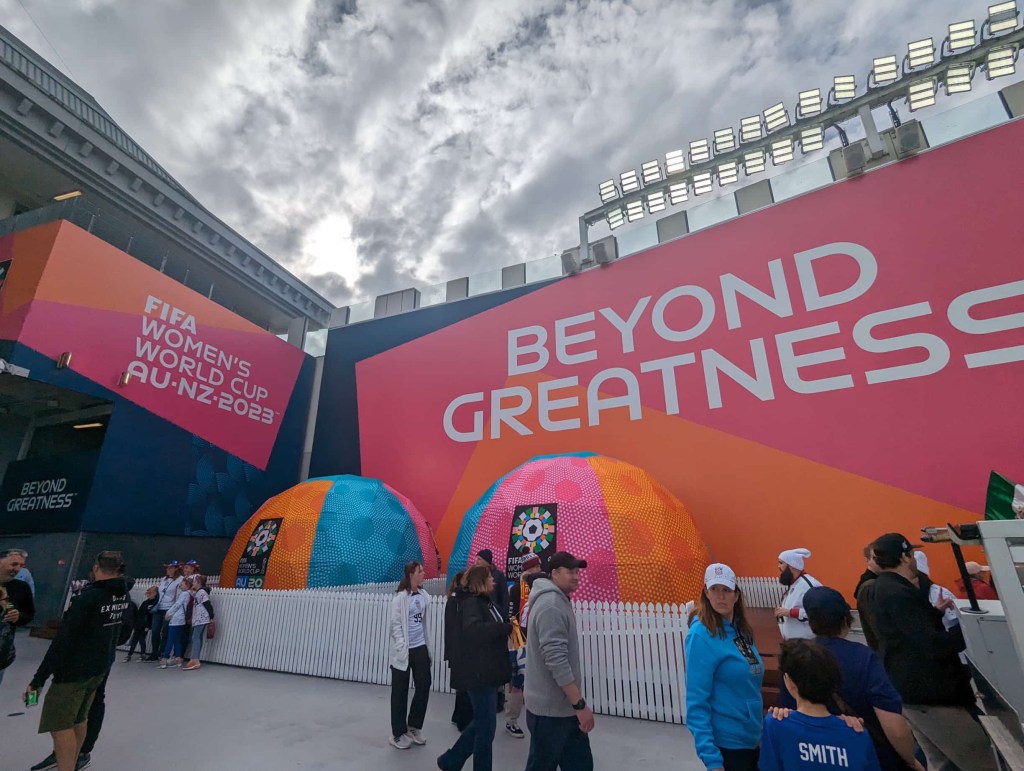
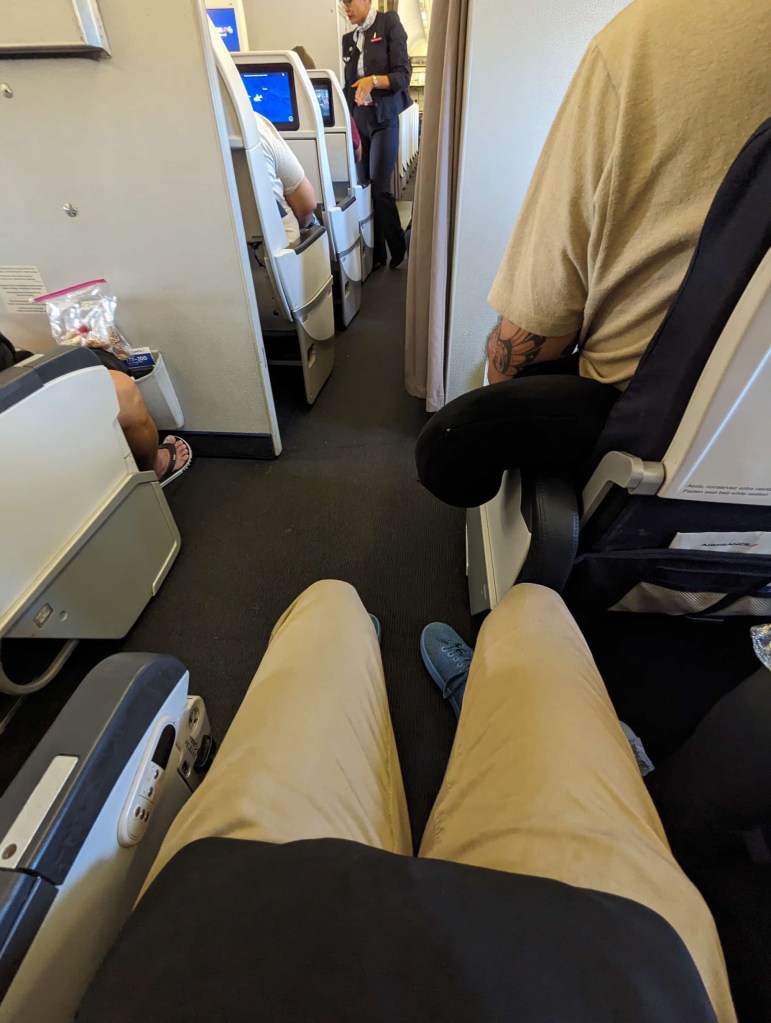
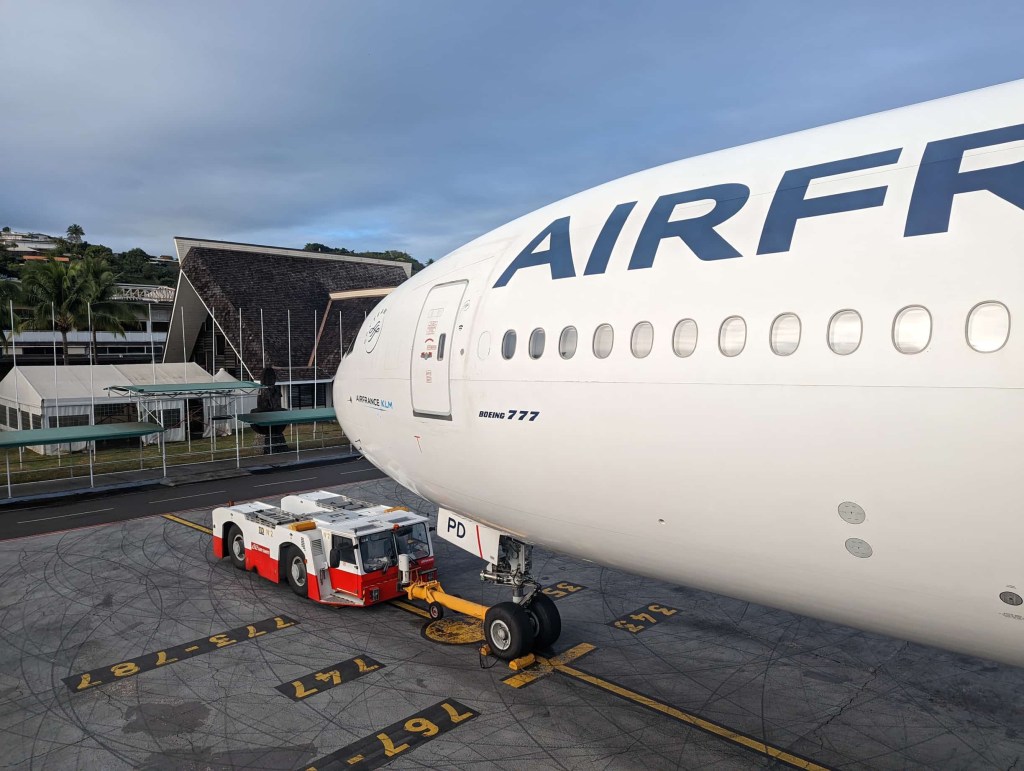
It was an early wake up to make our way to Fa’a’a International Airport. Checkout took some time at the Hilton, as they are perpetually understaffed. The rental car return was also a bit ambiguous, but eventually sorted. We both had to check our bags even though the limit was 12kg. When Nicole put hers up on the scale and it weighed 11.8kg, she questioned as to why she had to check in. They didn’t really have an answer. Security was as inefficient as we remember it. And yet, despite all the setbacks, Air France gave us fairly decent seats just behind the business class cabin. While my unique seating arrangement gave me some extra legroom, i did feel a bit out in the open like I was on display.
The eight hour flight back to Los Angeles gave me some time to reflect on a brief, yet busy trip to the South Pacific. We didn’t have much time in New Zealand — constricted by work schedules . . .and airline schedules. Having only scratched the surface of the north island of New Zealand, there is plenty to see when we return. All three major U.S. legacy carriers will offer direct flights from LA to Auckland beginning this fall, but that turned out to be too little too late as far as this current trip is concerned. And it’s those details that bring me to my main point of this reflection — the World Cup.
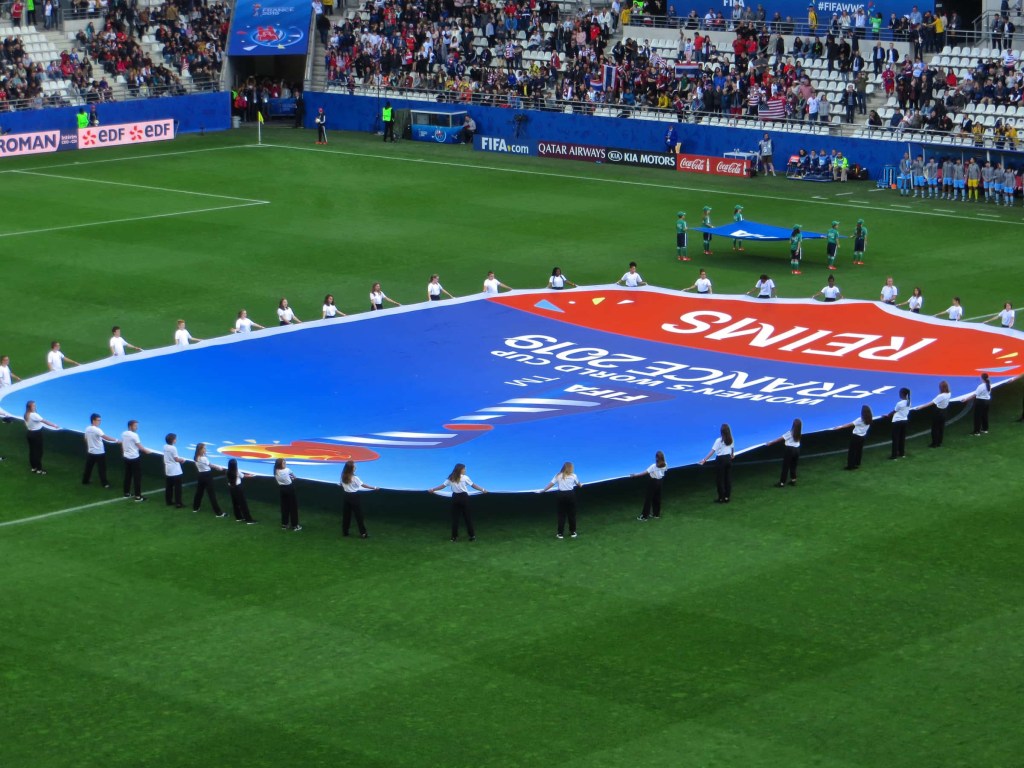
Three of the four voyagers on this trip had gone to the previous World Cup in France and are able to compare the differences. While the stadium in Reims was crowded, it was not filled to capacity. There was very little publicity, and virtually no merchandising outside the stadium itself. One might easily have not known that there was a World Cup going on. There are a few reasons for this. FIFA has never put nearly as much money into the women’s World Cup as the men’s. The hosts, France, were kicking off a busy summer of travel, and perhaps not that focused on some mere “side event” in their eyes. But most importantly, I don’t recall ever seeing an advertisement for the event in the United States or abroad. If one were watching a sports network, they might have seen an ad on that station, but outside of that — nothing.
A women’s soccer league (the NWSL) had existed in the United States for the 7 years prior to the World Cup in France and Nicole and I had no idea. It was never mentioned in newspaper articles, could not be watched on TV, and played on fields borrowed from local colleges or even high schools. So when an intoxicated 2019 World Cup goalkeeper Ashlyn Harris was interviewed at the World Cup victory parade and told everyone watching that they should support their local club teams, Nicole and I were a bit perplexed. Thanks to Ashlyn’s drunken appeal, we discovered the NWSL.
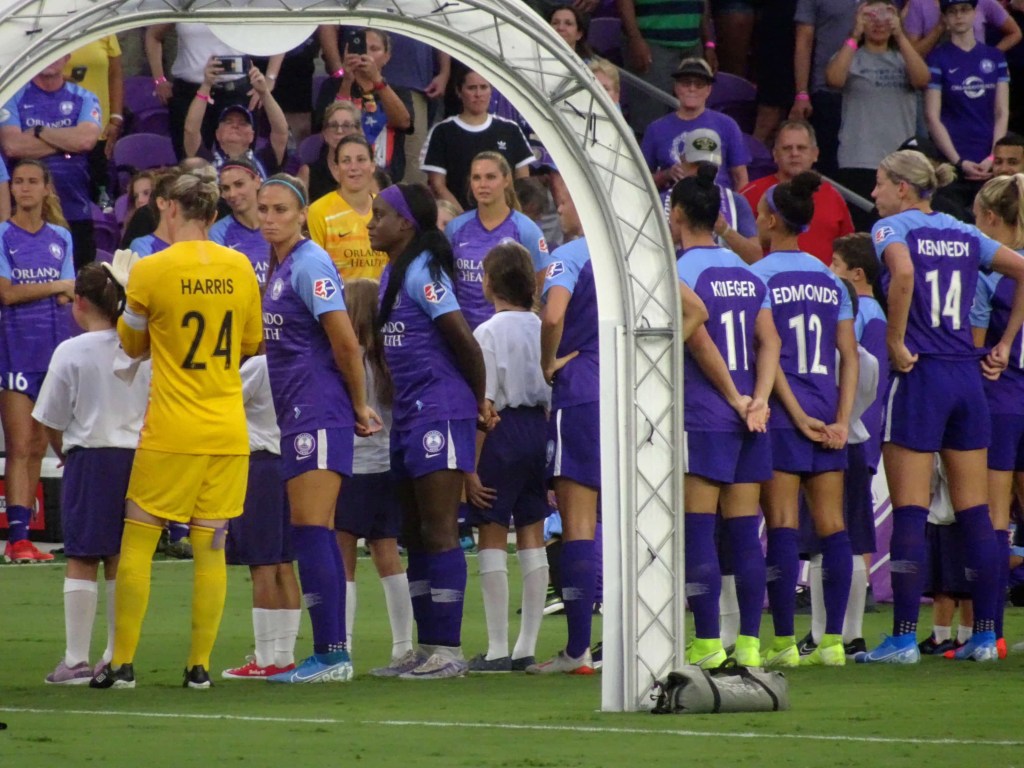
Watching the games at first was not easy. They had to be streamed through the Yahoo sports app. It typically consisted of a poorly white-balanced camera fixed on a wide angle shot on a tripod that never moved. You couldn’t identify individual players from such a wide shot. It was virtually unwatchable. Then the games moved to Paramount+ and professional camera crews were hired. And in just a few short years, the NWSL has gone from virtually invisible to having their games aired on major networks as they play in front of crowds at major stadiums. I can even play as any of the NWSL teams in the FIFA 23 video game. Rereading my old reflections post from 2019, I commented on seeing young boys wearing Alex Morgan jerseys and how it was inspiring to see change happening. Is there still momentum for women’s sports?
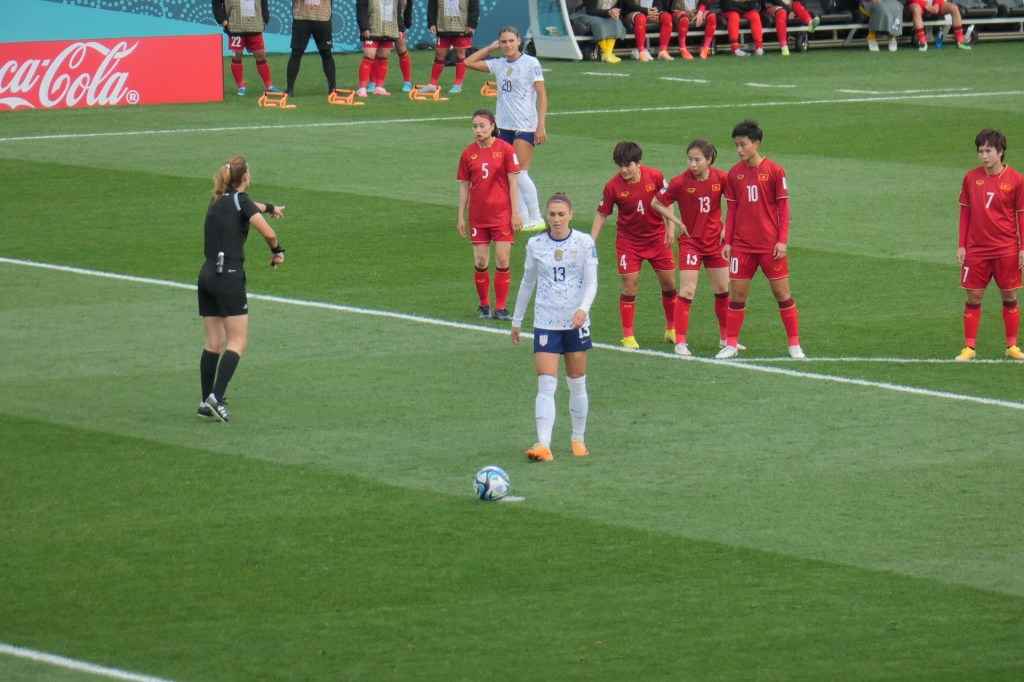
The short answer is yes, but it’s more complicated than that. The rise of the visibility of women’s sports is not a uniquely American thing. The “Matildas,” as Australia’s national team is known, are immensely popular in their home country. Yet, a recent BBC article commented on cohost Australia’s difficulties in funding the women’s game. Even Australia itself didn’t seem to think much of their homegrown heroes. Australia’s home opener had to be moved to a much larger stadium because they hadn’t anticipated such large ticket sales. More than 80,000 people showed up to watch the Matildas on match day one. The women’s jerseys and merchandise have outsold the men in Australia, just as they have in the United States. More than 1.5 million tickets had been sold before the group stages had even decided who will advance. Given those numbers, you would think that the women have achieved parity with the men.
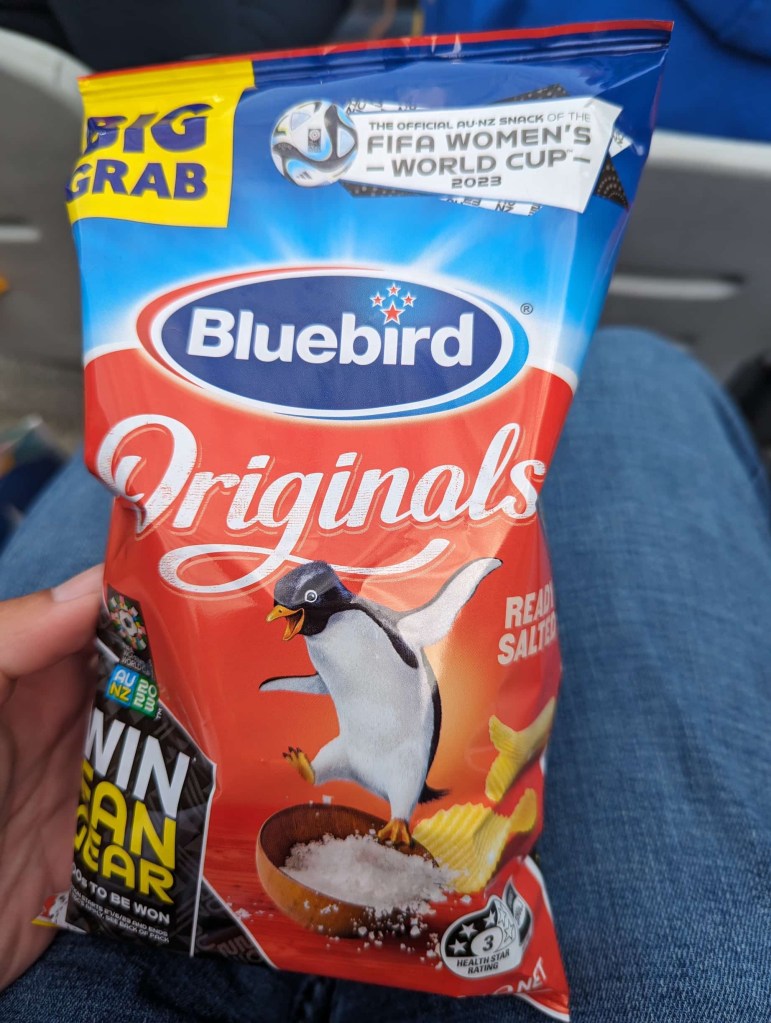
The problem lies in the fact that there remains a perception that the women’s game isn’t as profitable despite numbers indicating the contrary. New Zealand, to its credit was promoting it on street side banners, potato crisp packaging, and kiwis from all walks of life seemed to be well aware that a World Cup was going on. Yet those in charge of the overall logistics of hosting a major global event didn’t seem to get the memo.
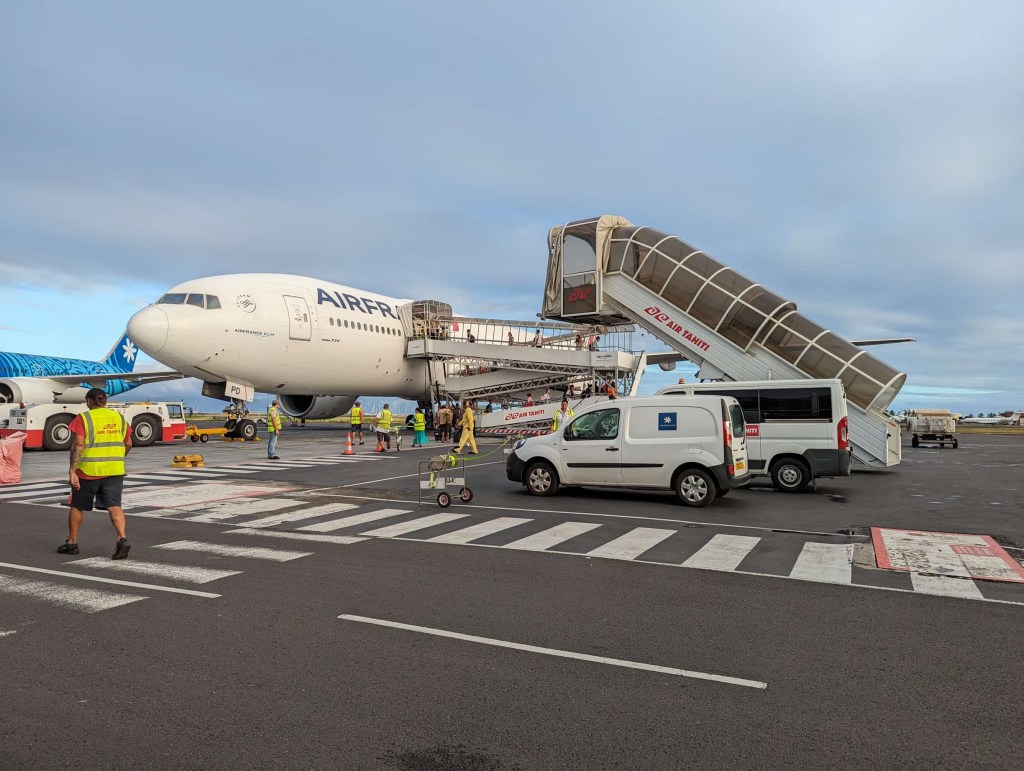
When forced to change planes in Tahiti and half the people in the transfers hall are wearing national team jerseys, you get the feeling that the airlines had no idea what they were doing. Fa’a’a was not meant to be a major international hub like this. So when people keep insinuating that women’s sports aren’t profitable, they are shooting themselves in the foot. The airlines missed out on millions of dollars in easy revenue. Considering that Nike was making no effort to get the women’s jerseys on sale in time for 2019’s World Cup, they’ve done marginally better this year by promoting four of the U.S. players jerseys for sale. They are nevertheless being protested around the world because they chose players arbitrarily (some are injured and not even going to the World Cup), and have neglected to even give the option of acquiring goalkeeper jerseys for multiple national teams including English keeper Mary Earps who helped win the Euros last year for her team.
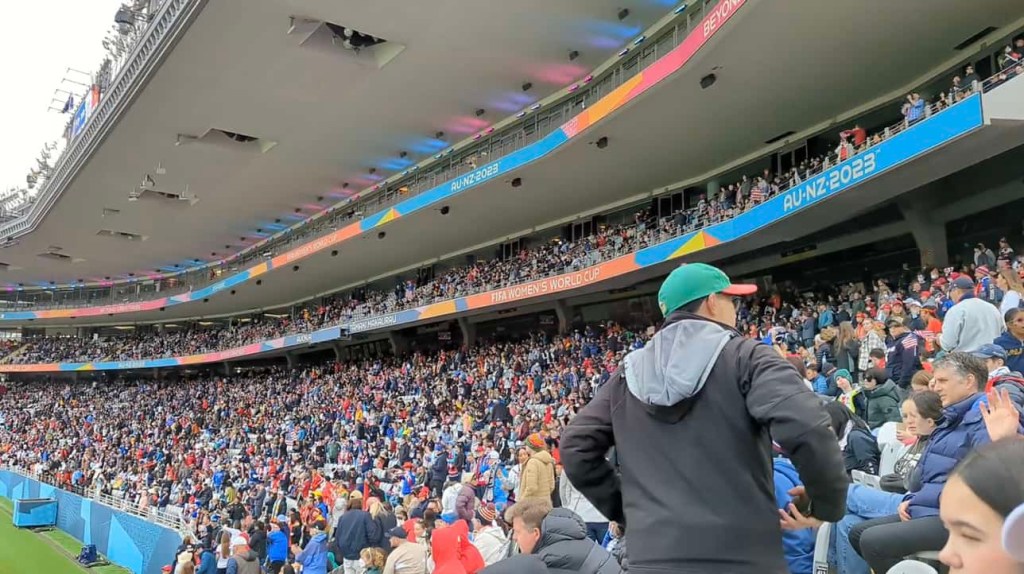
I personally don’t think the U.S. will win this World Cup, but that doesn’t matter as much as it did as the high stakes of 2019. In fact, I would very much like a non-European, non-North American team to win. There is a catch-22, however, when it comes to investment in the women’s game. As injured American midfielder Sam Mewis recently stated, if a team with little investment in their women’s team does well, they will say, “Look how well we did. We don’t need to invest further,” whereas a poorly performing team will often find its federation using that as an excuse to withdraw investment. The men’s teams rarely face the same scrutiny.

Women’s sports have never been more popular than they are right now, and they continue to grow. Two new NWSL teams will join the league next year. The most watched NCAA basketball game this year was between two women’s teams. The reasons for this are not just a shift in culture. In fact, it’s far more simple than that. Air the games, and people will watch them. Sell the merch, and people will buy it. Invest and promote, and people will come. The three of us repeat visitors have witnessed some positive change, but there’s still a long way to go. We will continue to show up. Joelle has now seen her first soccer match — and it was the women. The 2027 World Cup host has yet to be announced, but I look forward to seeing how far we have progressed then and hope to not have to change planes at a small airport in the middle of the Pacific. I will close with a commercial about the French national team. Watch it all the way through, and it will articulate better in 90 seconds what I have been rambling about this entire post. See you in 2027, mes amis.
 passports & pepto bismol