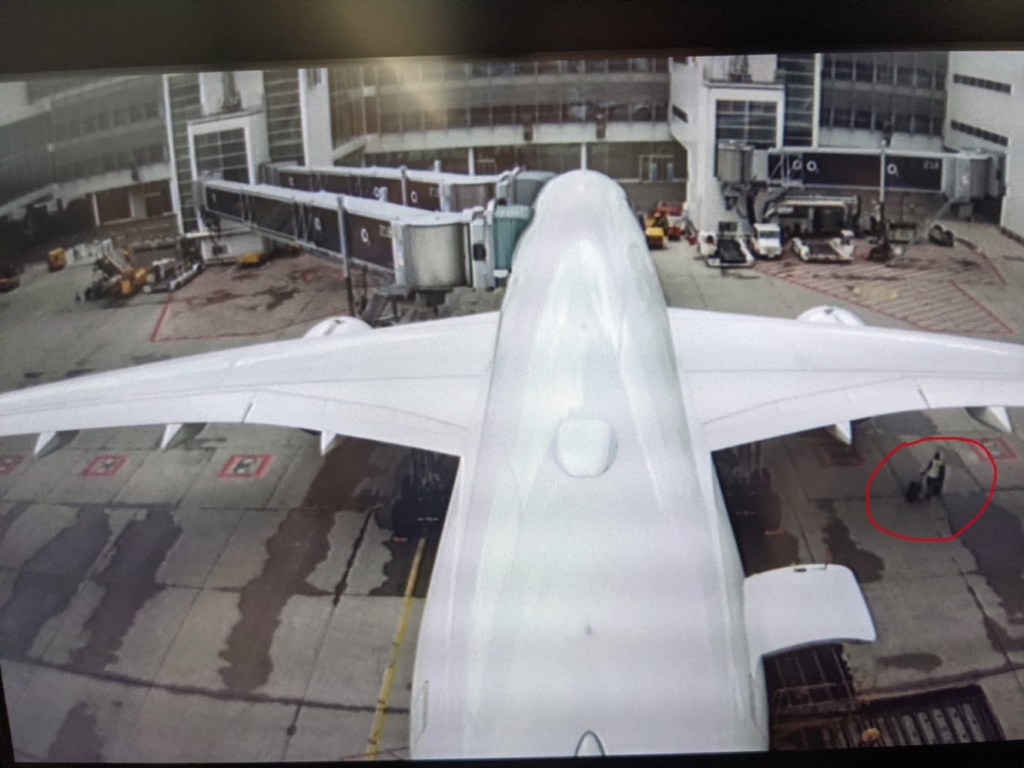
Unlike our experience yesterday with the train fiasco, we had a much more streamlined process getting back to the airport. This is primarily because we ignored an older man’s advice at the hotel that we should take the bus due to the strike. The train worked out just fine for us and we were through customs and security within five minutes. The only thing that slowed us down was the America-specific checks for covid tests and other paperwork. This was a disorganized mess of multiple U.S.-bound flights that all converged at the same spot. We were again some of the last to board the A350-900. We are in economy, though we have a row to ourselves. The captain alerted us that we were slow in getting off the gate because four passengers didn’t have the right paperwork to get to the U.S. (presumably a negative covid test), and their baggage had to be removed from the plane. Lufthansa has airplane cameras accessible from the in-seat entertainment, so I made sure this was progressing as expected. We then settled in for our 12 hour flight to Los Angeles. This gave me plenty of time to reflect.
One day before our plane departed angrily from Newark’s Liberty Airport, we still didn’t know where we were going. Two days earlier, we thought we were going to islands off of Portugal. Needless to say, a trip that included former Soviet Bloc countries and two concentration camps in its itinerary was bound to be different than a trip to Madeira or the Azores. It was not a trip that was fun per se, but it was a trip that needed to happen.
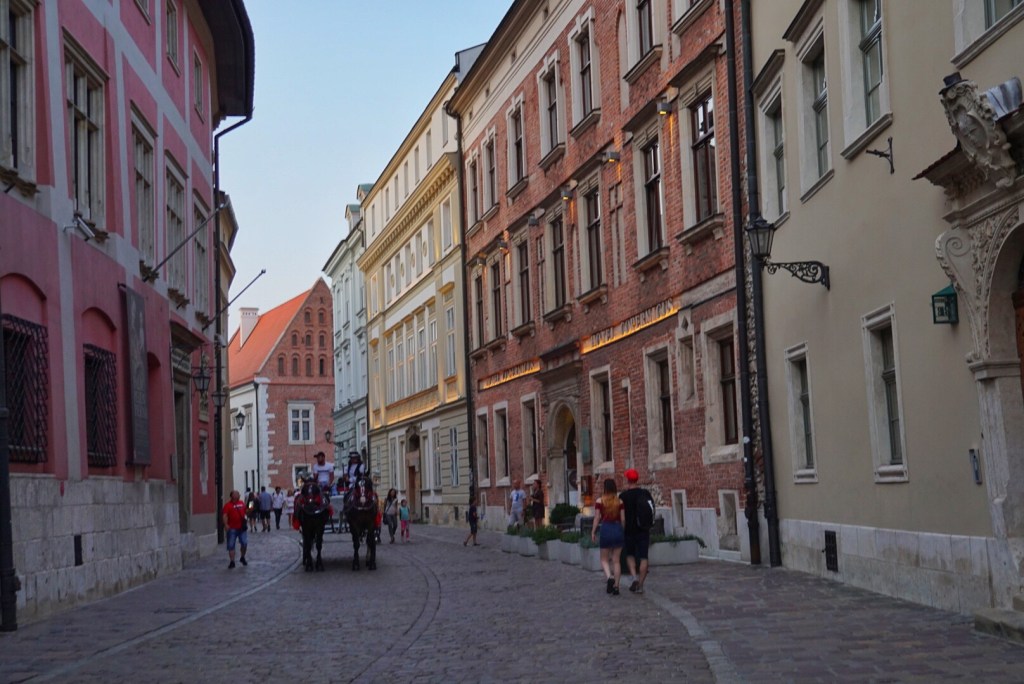
We also didn’t know in the planning process how crowded things would be. We rarely take an August vacation because it tends to be quite crowded everywhere, particularly in Europe where it seems everyone has the month off. Prague is known for having Paris-sized crowds, but without the space to distribute them. We knew this, but we also thought the pandemic would thin them out. I can’t confirm for sure whether the crowds were less or not as it was my first visit, but the streets were certainly crowded enough.
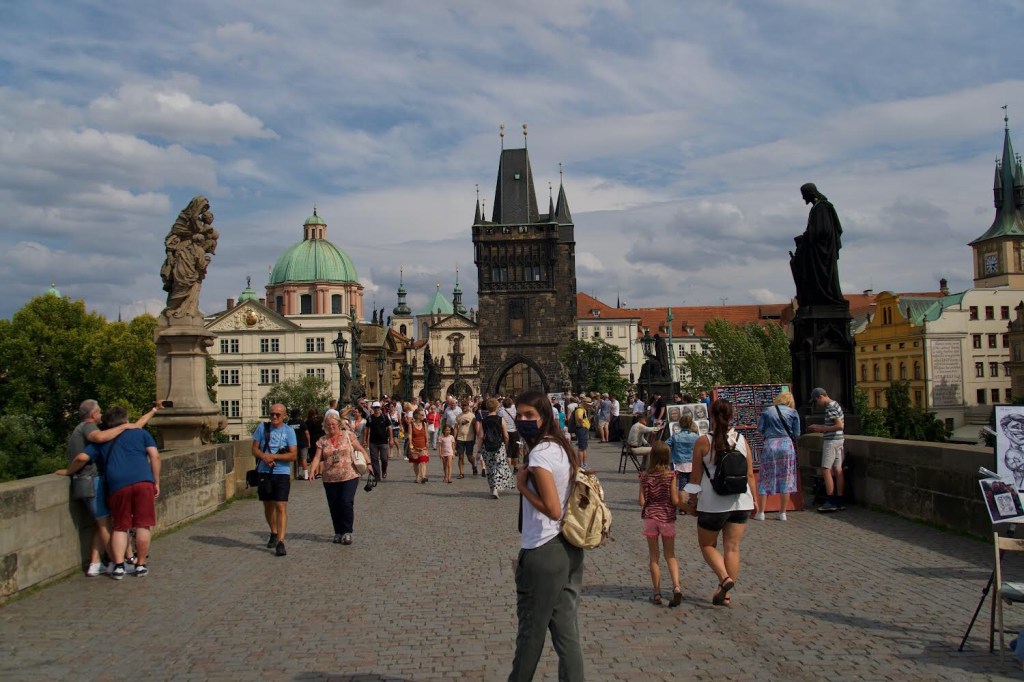
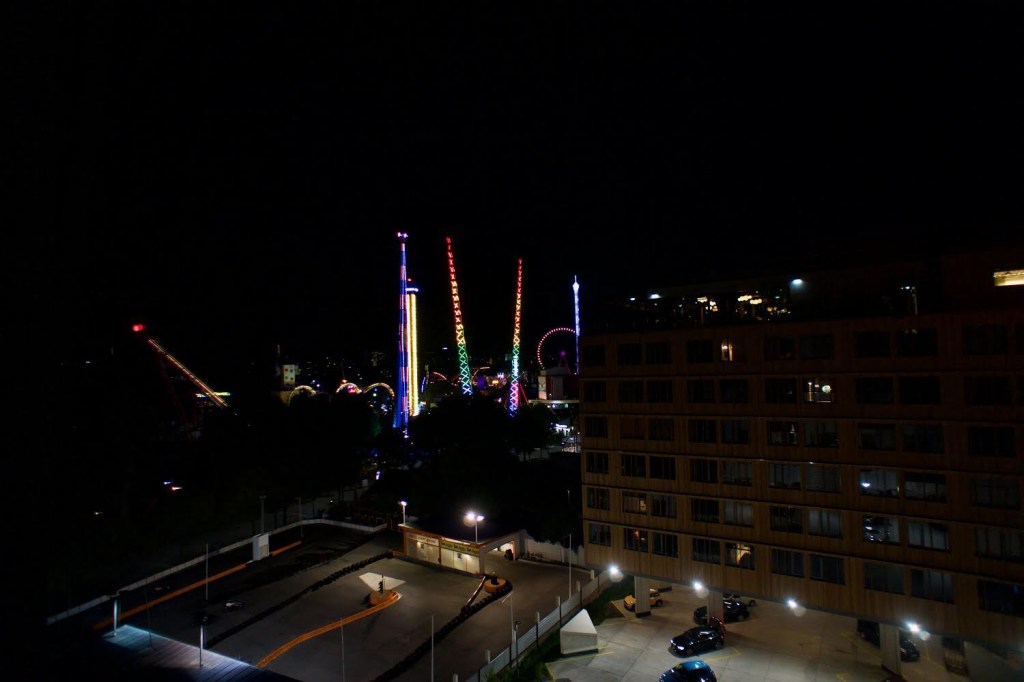
The city was photogenic, but I didn’t take that many pictures on account of the people. It’s not like one could stop for a spell without being run down by a tour group or other rogue tourists. In Vienna, we were dodging salsa dancers. At night, the whir of a thrill ride spooling up was mixed with bloodcurdling screams. It didn’t seem that there was a corner of these cities that was quiet.
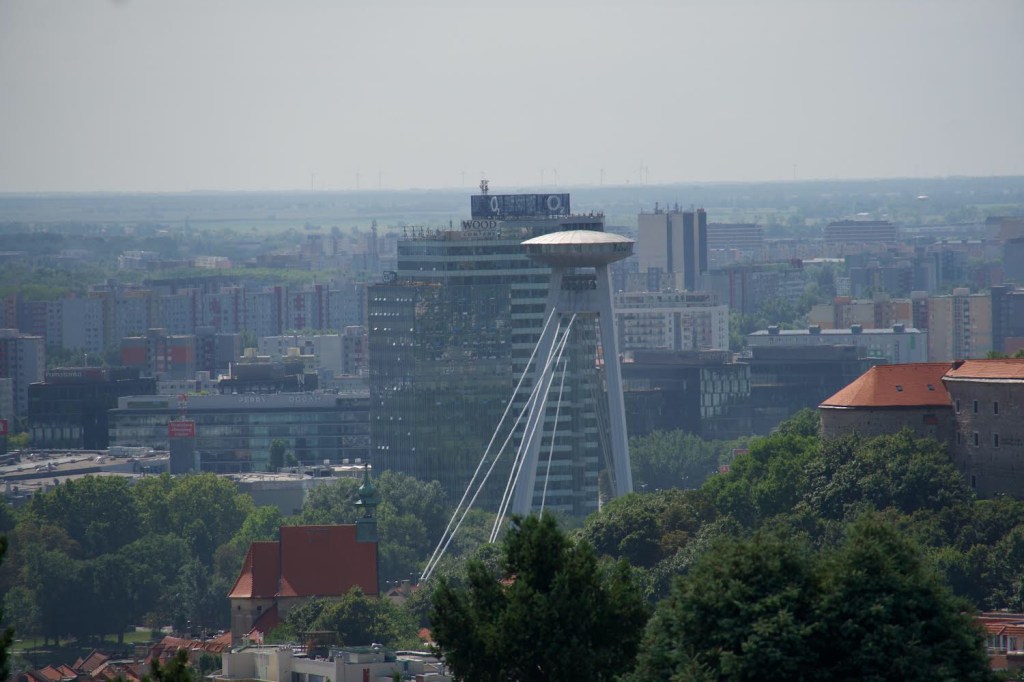
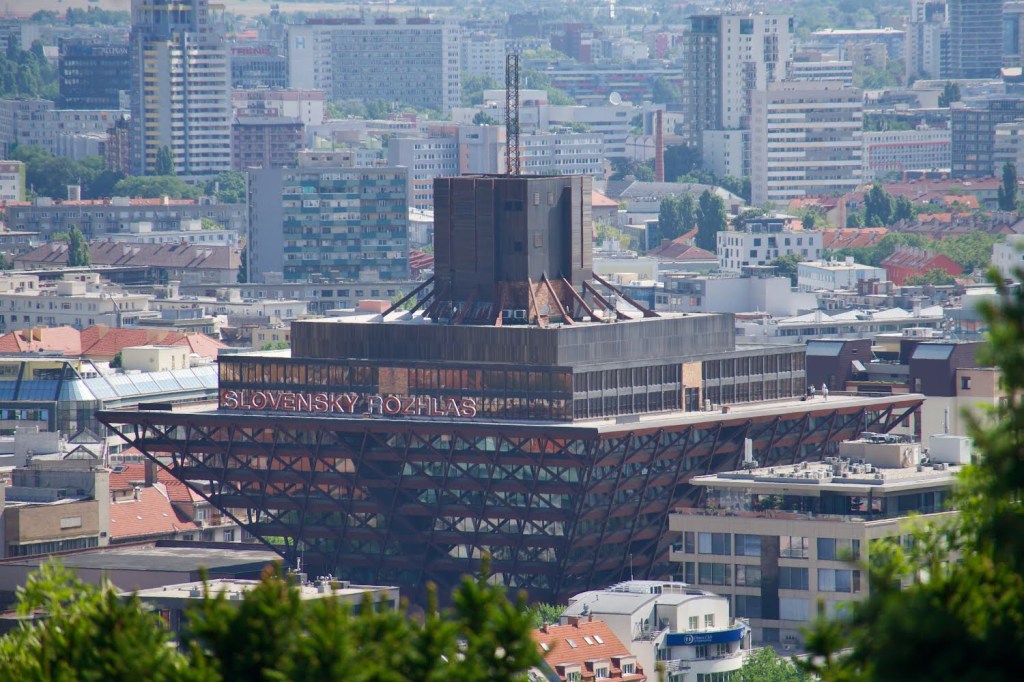
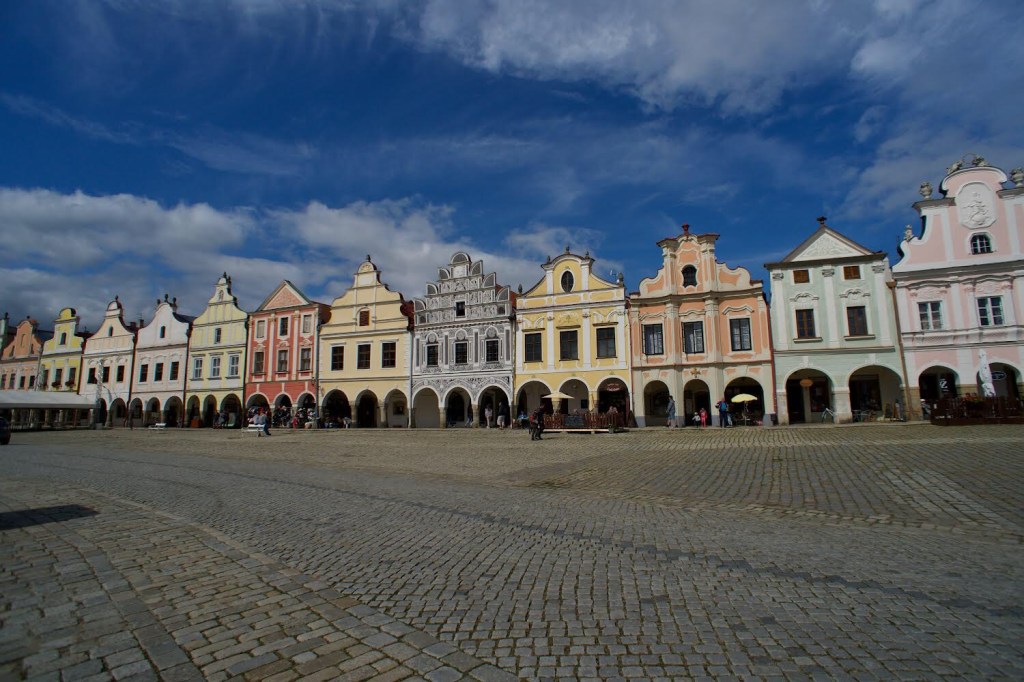
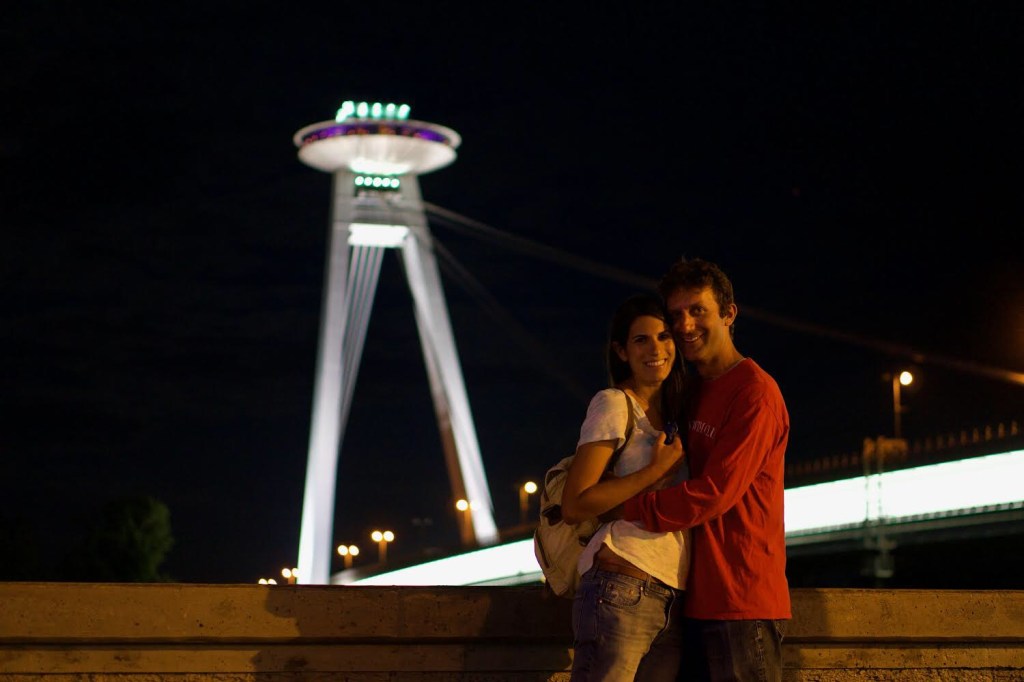
Next came Slovakia, a country I have thought so little about in my life, that I never thought I would be spending any time there. And yet, for this very reason, and the fact that nobody else has spared much of a thought about Slovakia, it was a bit calmer. It offered the same kind of scenery in its old town as anywhere else, but minus the throngs of tourists. It was a bit more enjoyable, even though Bratislava at the end of the day is a rather gritty city outside of its old town core.
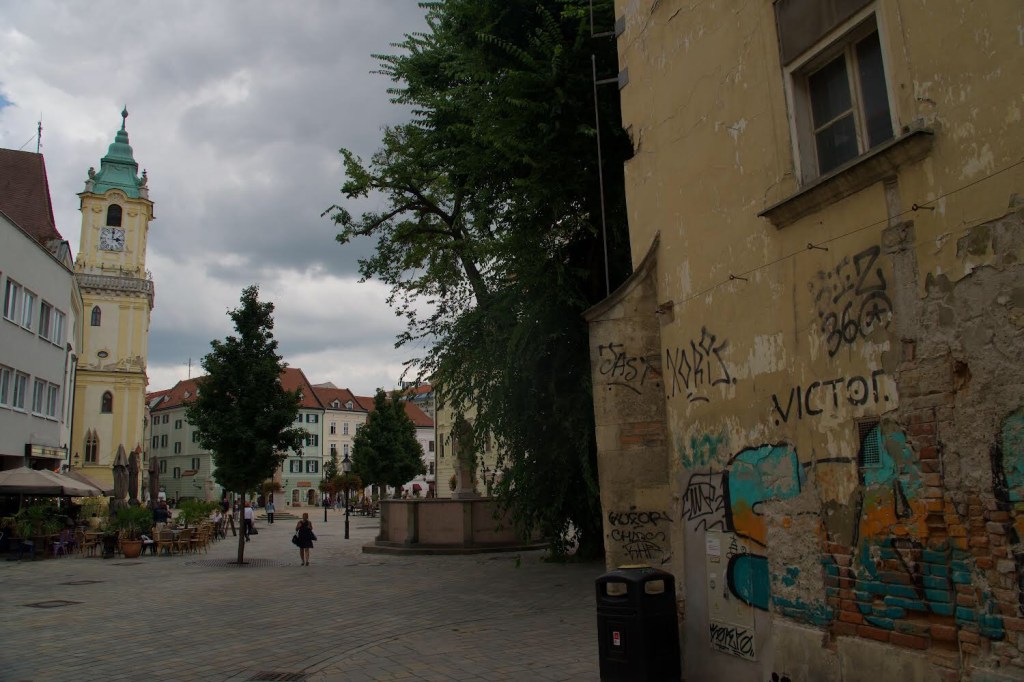
Everywhere there are reminders of a less than prosperous past, and the struggles to recover since. Buildings and structures in disrepair, weeds grow up through the sidewalk. Compared to its western neighbor or former piece of the pie, the Czech Republic, Slovakia has always had a slower economy, less money, and hasn’t submitted an entry to the Eurovision Song Contest since 2011 citing financial concerns. Serious stuff.
Finally we arrived in Poland, where we would spend three nights in Krakow. Based on this, we thought we might finally relax. The crowds in old town Krakow would prevent this from being the case. Krakow, by far, was the most crowded (and least friendly) of anywhere we had been on the trip. Furthermore, Poland’s covid regulations seemed to be the most lax which wasn’t a great combination for comfort.
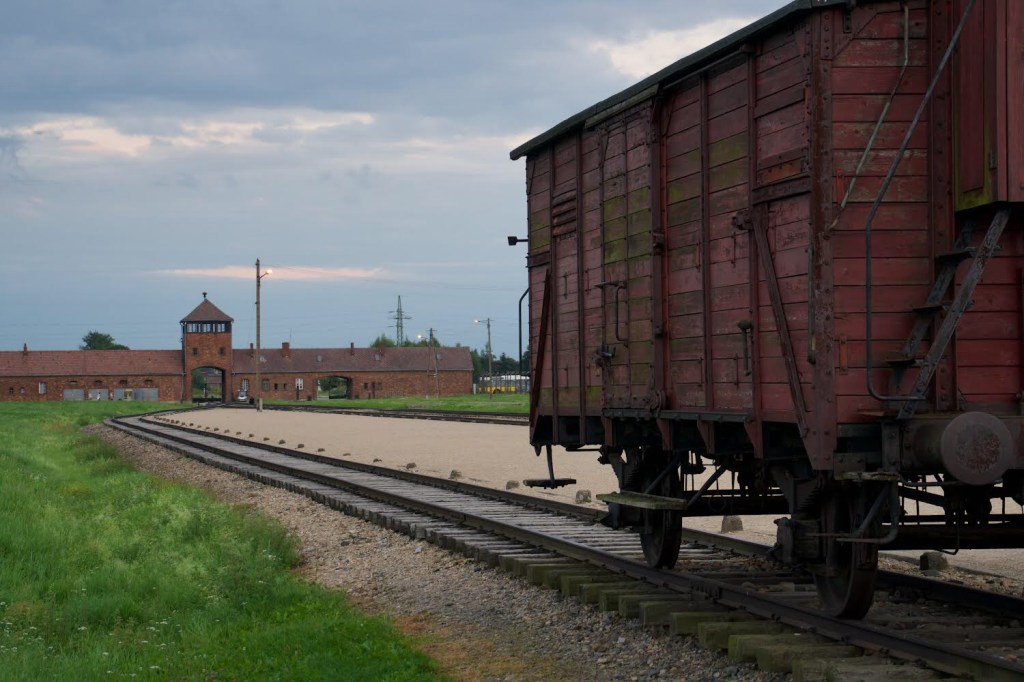
And lastly, a lot of the places we visited were not exactly postcard-worthy. This didn’t stop some people from trying to get a selfie on the railroad tracks at Birkenau. Just . . .why? I have so many questions. Point being, this wasn’t a straight-to-instagram to make your friends jealous kind of trip. No “Wish you were here,” comments.
With everything I’ve just said, I am afraid I sound like I had a miserable time and regret everything. Not true at all. There are two aspects that I took away from this trip that are very important. I’ve said it before and I’ll say it again. I hate crowds. There is not a single situation where a crowd has made something better on a trip. And this last trip saw their share of them. And not only did we encounter crowds, we encountered crowds that didn’t have respect for personal space and tended to skew on the rude side in our view. You see, you need to have this experience to really appreciate a place that is a bit calmer and relaxed. If we never traveled and this was our one trip for the year or for multiple years, we would be telling everyone it was the most amazing trip and that everyone should go where we went. But we won’t because if everything was amazing, then nothing would be amazing. We are spoiled and cursed with the ability to compare.
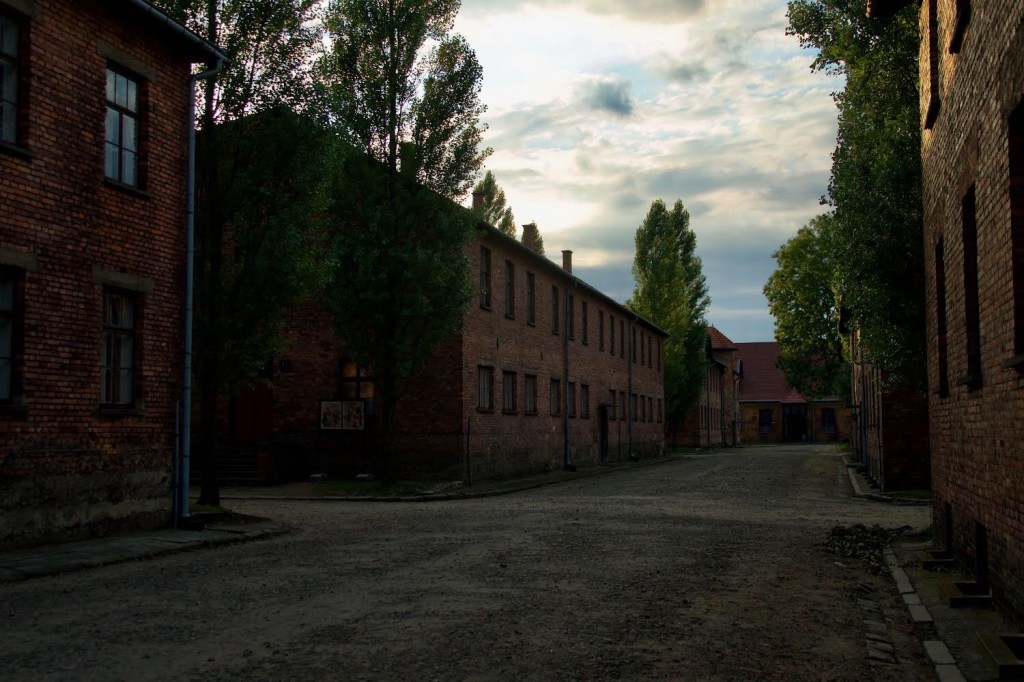
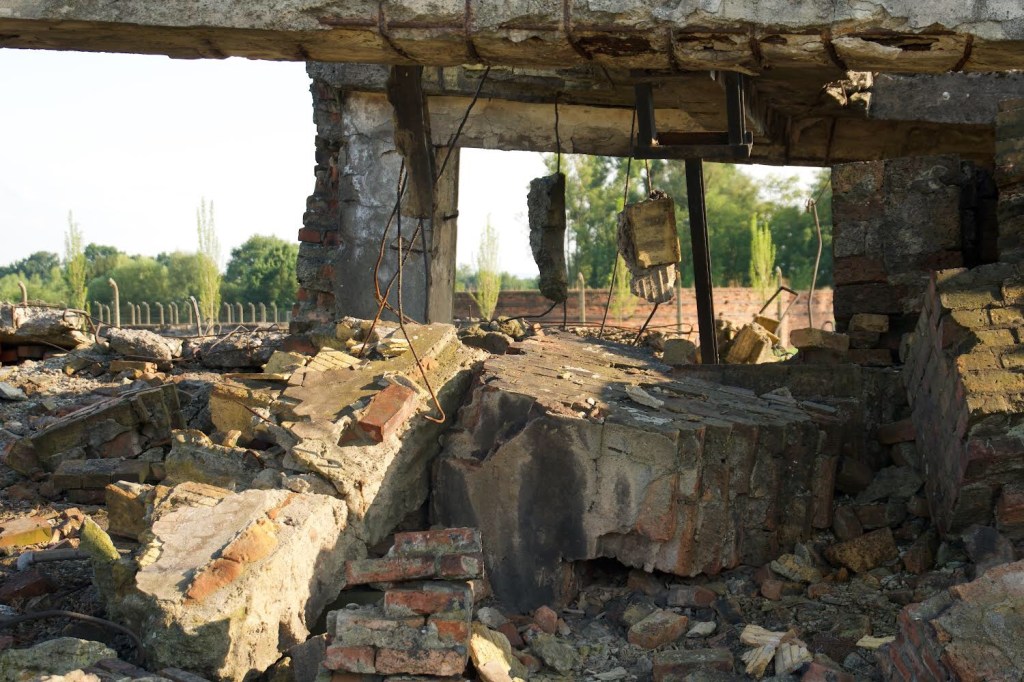
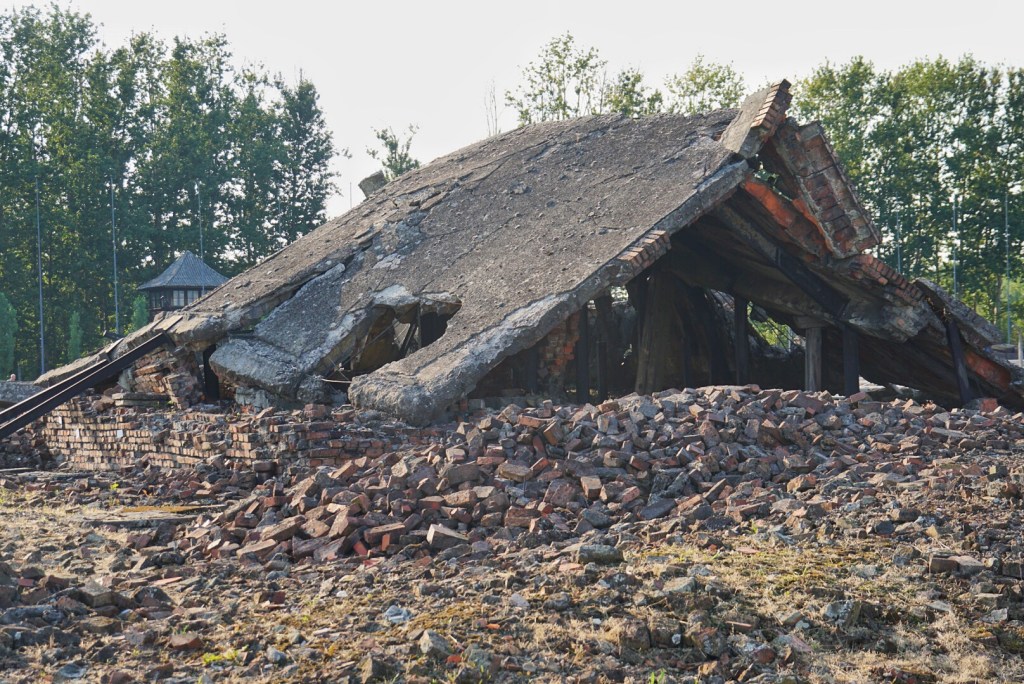
And lastly, there are vacations and there are trips. This was a trip of learning, discovery, and historical importance. It was extremely important that we visit Auschwitz at some point in our lives. We had been to holocaust museums in the past and had also been to Dachau outside Munich, but there is something about Auschwitz with its multiple gas chambers and extreme cruelty that needed to be felt by being physically present. The words in the textbooks or the black-and-white photographs are almost too abstract. They don’t seem real.
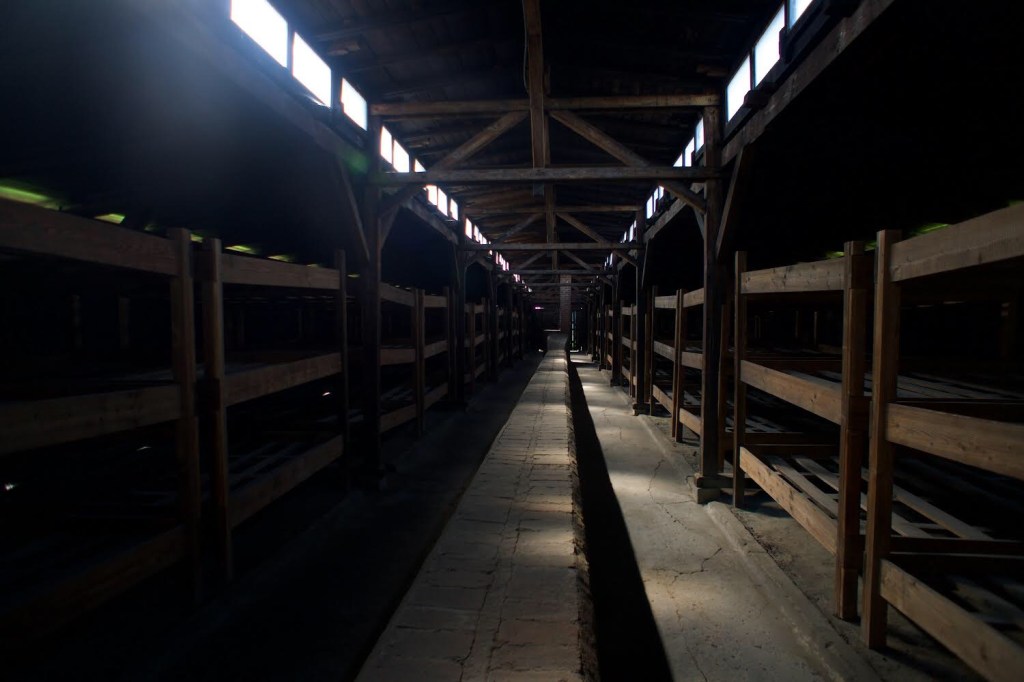
Walking through a courtyard where thousands were executed, entering a dark and silent children’s barrack at dusk, or walking amongst the trees where victims were stripped before being murdered in the gas chambers were experiences I won’t soon forget. They were uncomfortable, as they should be. I would say that everyone should have that experience in their lifetime, but people only take away what they put into it. During our first day at Auschwitz, we seemed to encounter more adults there who treated it like they were on a middle school field trip rather than the final resting spot of millions of victims.
Every destination we visit provides us with new insight and we take home new understandings of the world, whether that be good or bad. When I say that people were “rude,” I’m quite certain that they themselves would not characterize themselves that way. It’s simply a difference in culture and what we (and they) are used to. And the more we travel, the more we create a sort of sampler platter of what we like and what we don’t. It may not necessarily match someone else’s. There are people who definitely enjoy a crowd and would find Bricole’s (everyone’s favorite celebrity couple) preference for low-key and off-the-grid travel as extremely dull.
And if there’s anything I’ve learned from this trip, it’s that knowledge of the outside world or awareness of different cultures and attitudes is extremely important. The communist party and Soviet Union were very keen to prevent news from the free world from entering the homes of its citizens. Such knowledge would have been dangerous. And as much as the Nazis are to blame for the atrocities of the holocaust, there was no shortage of “ordinary” people who were complicit with their prejudice or antisemitism. The Jews were “different.” The Roma people were “different.” Twins, the disabled, or the mentally ill were all “different.”
We may not always like what we see or experience, but it’s just as important to have gained some new understanding. As much as we enjoy lounging on a deck in Greece or a quiet walk through the highlands of Scotland, it’s good to be made uncomfortable once in a while. Last year’s relaxing vacation to Tahiti didn’t reveal much, if anything, about the people of French Polynesia. The only insight I gained from that experience is the importance of credit card points and Nicole’s Hilton Honors Gold member status. I learned much more on this most recent trip. None of these countries were massive, but the difference between Vienna and Bratislava was striking. These people lived, and are still living, quite different lives just an hour drive apart. And as much as Bricole travel, we really knew nothing about Slovakia or what to expect in any of these kinds of places. There is a lot of the world we still haven’t seen. We may not love it all, but every destination is equally as important.
 passports & pepto bismol