When we were calculating road routes to Krakow from Bratislava, the most direct took over 4.5 hours, but went back into the Czech Republic/Czechia. Normally that wouldn’t be a big deal, but given the rapidly changing rules and the chance (albeit low) that they could ask for a negative covid test at the border, we thought that 4.5 hours could become much more. The “short” route would have crossed into Czechia, back into Slovakia, and then Poland. We elected instead to take a slower route through the middle of Slovakia and just cross one border into Poland. As it turned out, the border checkpoint was nonexistent. But first, we had some unfinished business in Bratislava.
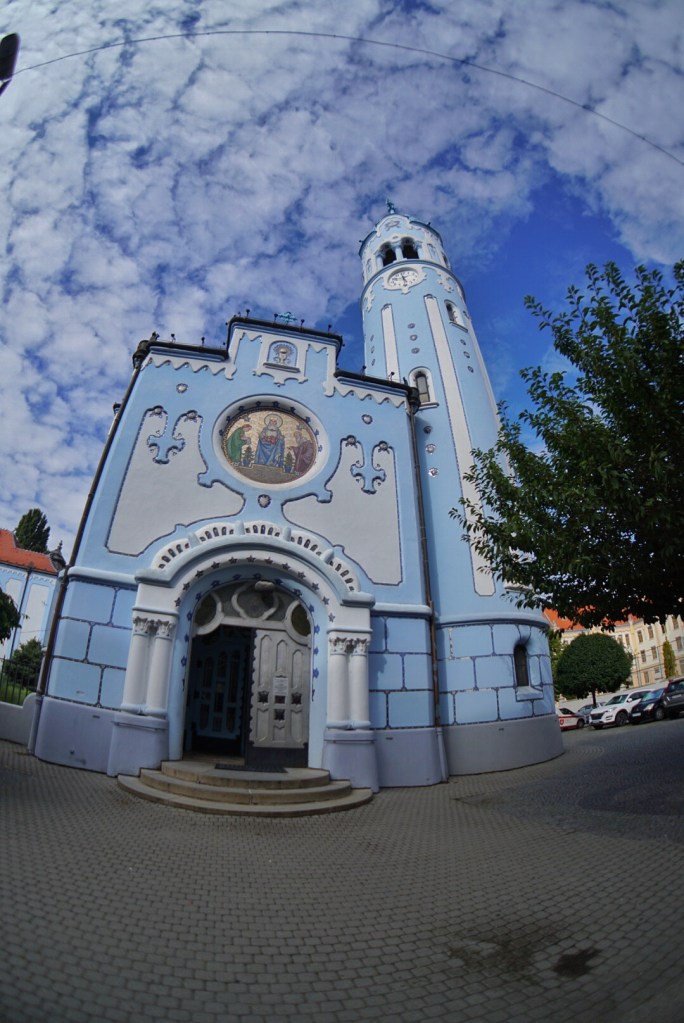
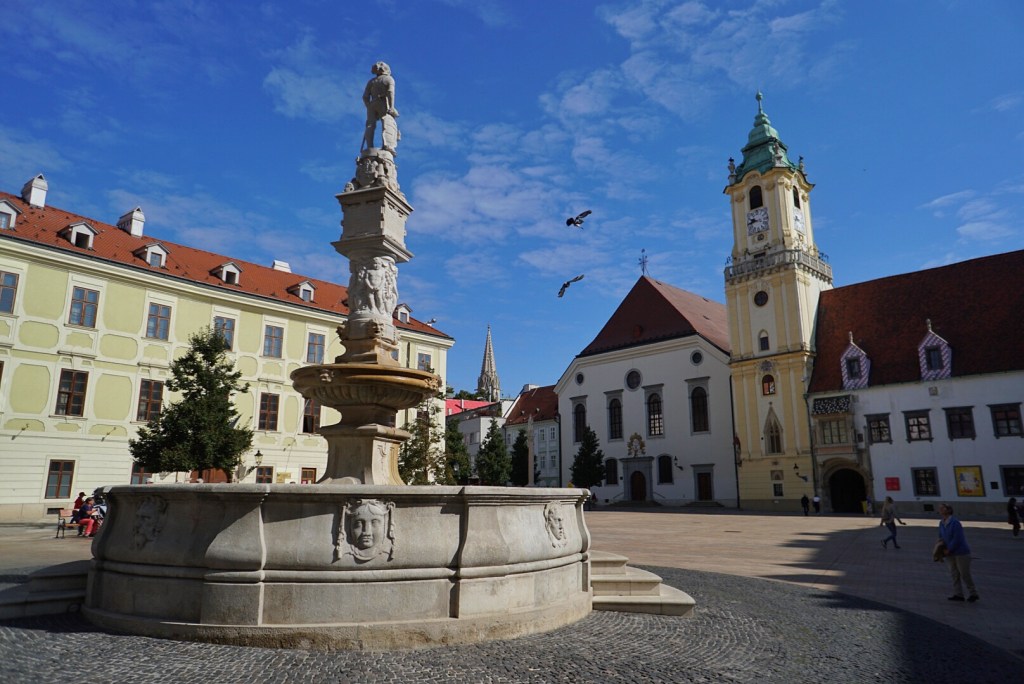
Our first stop was the blue church which is just outside the old town. It is a church, and it is blue. Beyond that, I don’t know a whole lot about it. It is indefinitely closed for covid, so we could only see the outside, but I imagine that’s the most interesting part. After our visit to the blue church called blue church, we went for a wee stroll around the old town one last time before checking out.
We collected our car from the garage and drove it up a fairly large hill in Bratislava until we reached a monument called Slavin. It is a massive statue / cemetery for the Soviets that lost their lives retaking Slovakia from the Nazis. It’s a bit of a contentious statue for the people of Slovakia. Of course they are grateful that the USSR came to rid the country of the Nazis, but they were less enthusiastic about the very hands-on approach the Soviets took with Czechoslovakia’s political affairs after the war. This included a few casual invasions with tanks. You might see how this could get a bit awkward.
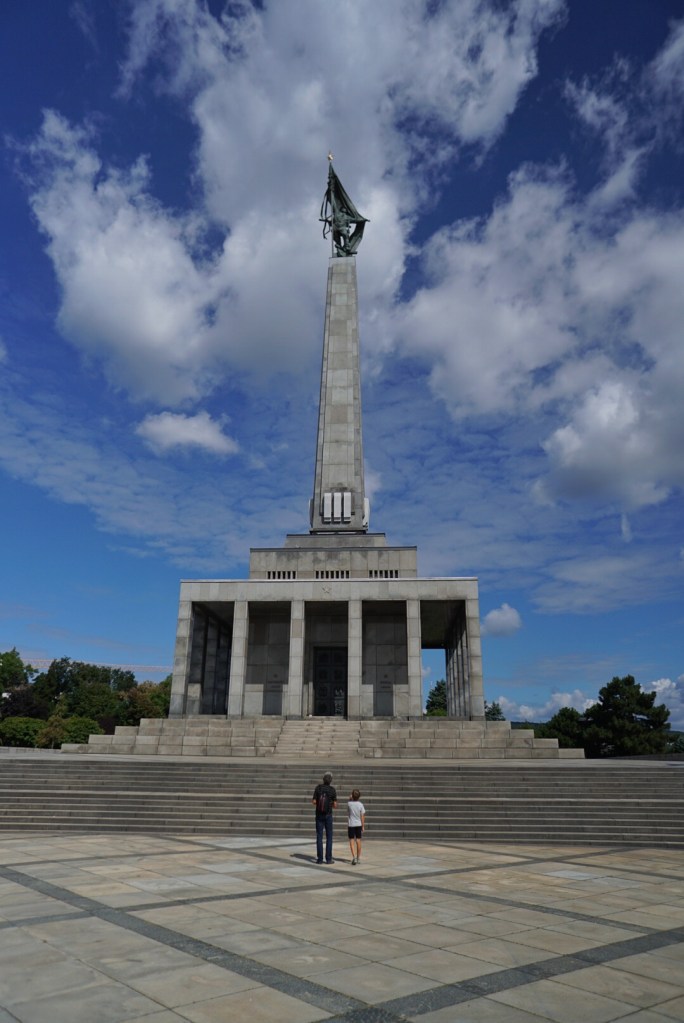
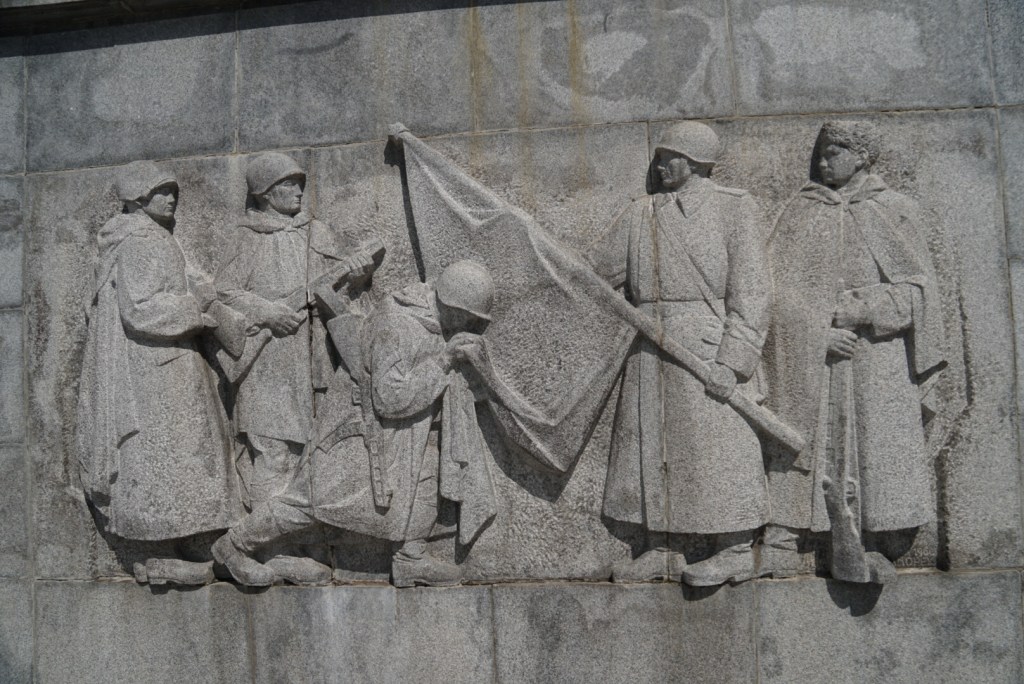
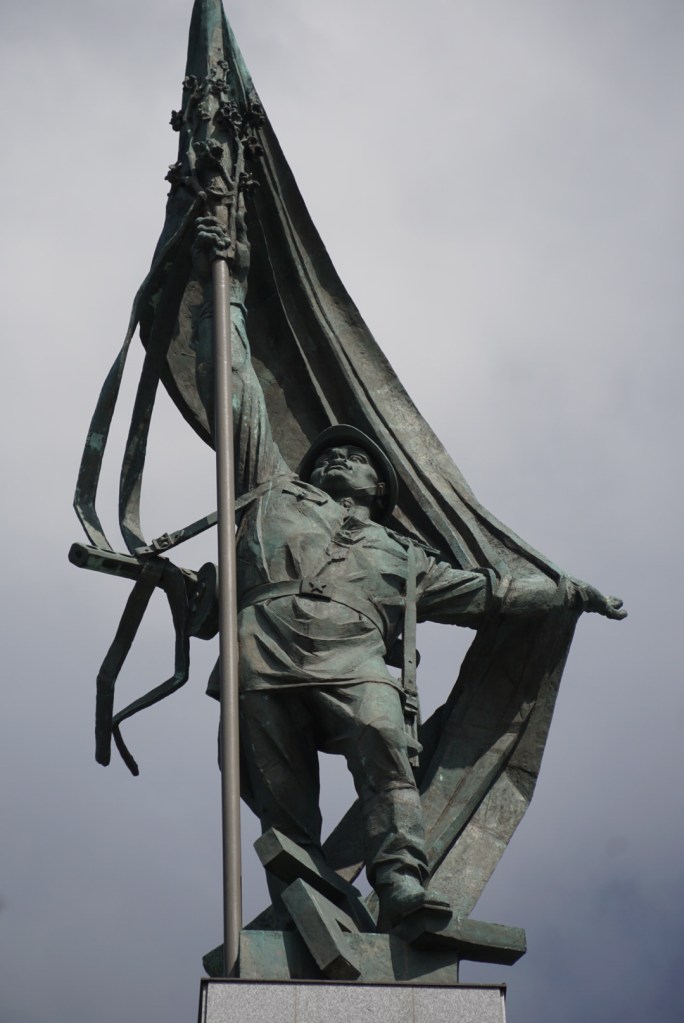
Around the base of the statue are the names of the officers of the Red Army who died while liberating Slovakia. There are 6800 Red Army soldiers buried here. The other statues around the site were very communist. One was of workers grabbing the shoulders of a soldier in gratitude. Another showed a group of soldiers kneeling and kissing the Soviet flag. It was all a bit “extra” as the kids would call it. The main statue atop the column is shown crushing a swastika under his boots.
After the Slavin, we drove out of the city and into the countryside of Slovakia. In a relatively short amount of time, 40 mins or so, we arrived in the town of Sered. It is a very nondescript town, small, with nothing exceptional about it. Hidden almost in plain sight, however, was a former Nazi concentration camp. Sered, of course, does not make it into the history books in the same way that Auschwitz, Bergen-Belsen, or Treblinka do, but that is what makes it all the more insightful.
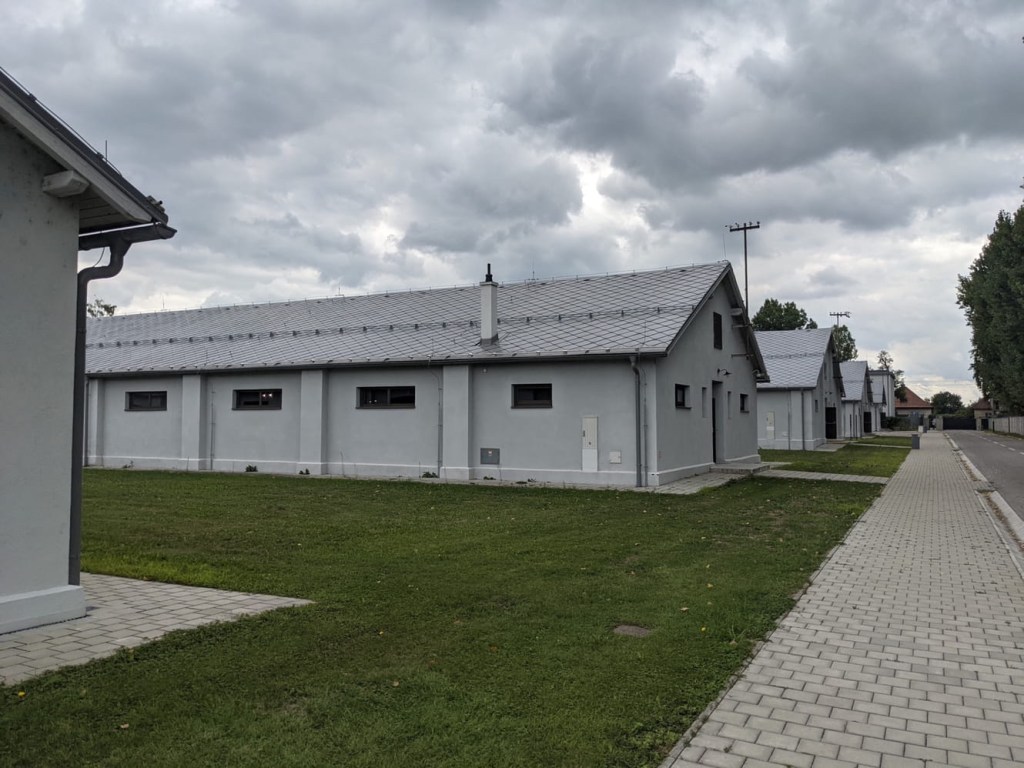
It is now a museum with exhibits in each of the former barracks. Sered served as camp that held political prisoners, Roma, and Jews. It initially began as a sort of forced labor camp where primarily Jews were making wooden furniture. Its role morphed throughout the years to become more of a holding tank for prisoners who would then end up being transferred to Auschwitz or other death camps where they were murdered.
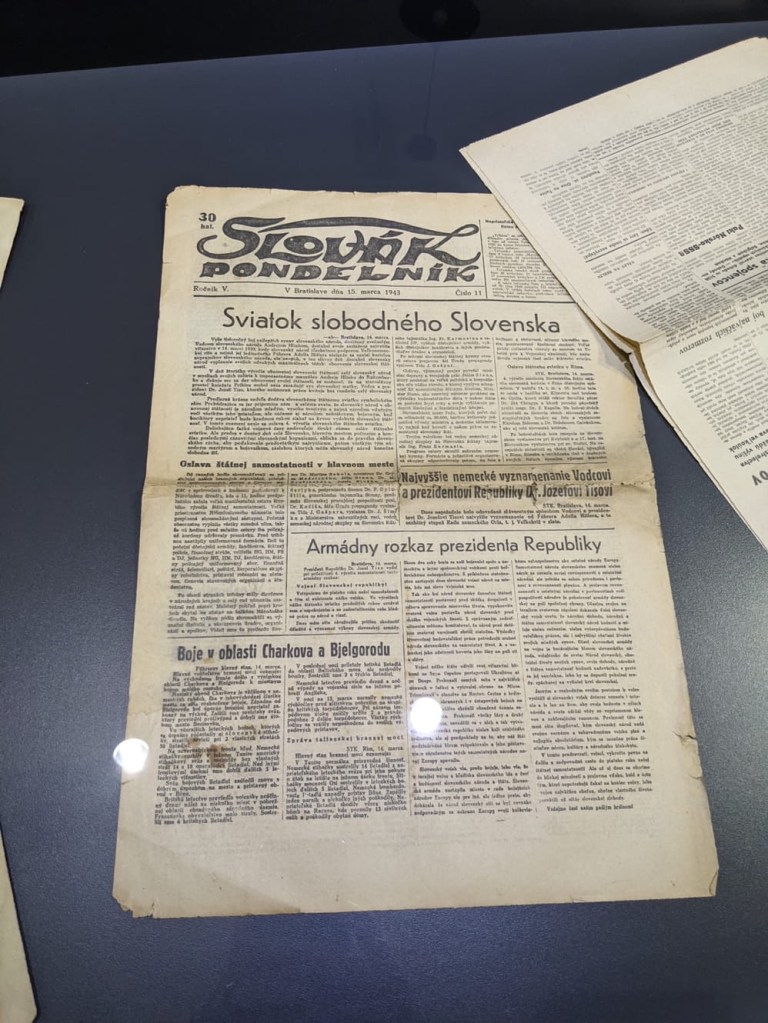
Thousands died here, not including the ones that were shipped away to other camps. What I think was most shocking is that there were so many camps that we don’t even hear about. The 6 million + figure that is usually used to estimate the deaths during the holocaust is too extreme a number to comprehend. But visiting a “smaller” camp where the guards (Slovak Hlinka Guards in this case) were just as evil as their Nazi masters, you begin to see that the whole thing was just so insidious, nobody ever seemed to question the insanity of it all. The last barrack was full of Slovak fascist propaganda hitting on just that point. Everything bad that happened in the news was spun to somehow include the Jews as a scapegoat. Reading the translations, the writing style and talking points were not too far off from the way modern day right-wing 24-hour news networks talk about immigrants.
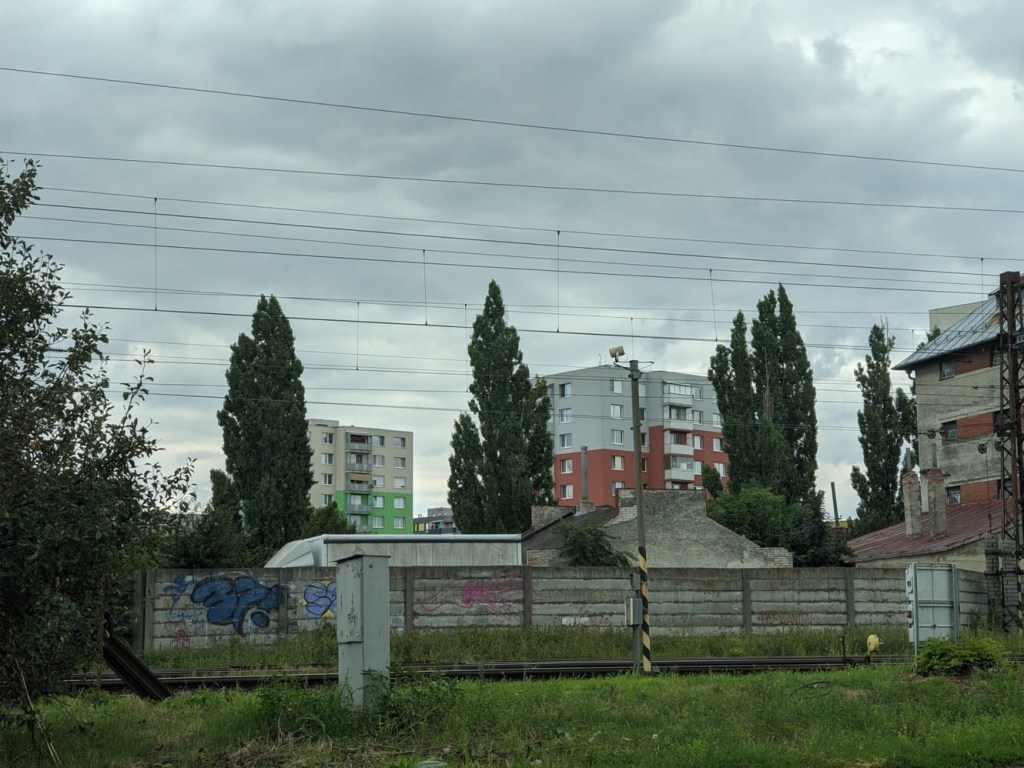
From Sered, we had a long five hour drive ahead of us through smaller towns and roads into the hill country of Slovakia. The communist style is still visible throughout with the typical blocky apartment buildings and boxy factories being fairly commonplace. It seems they are trying to make them less ugly by painting them bright colors, but a can of paint can only do so much.
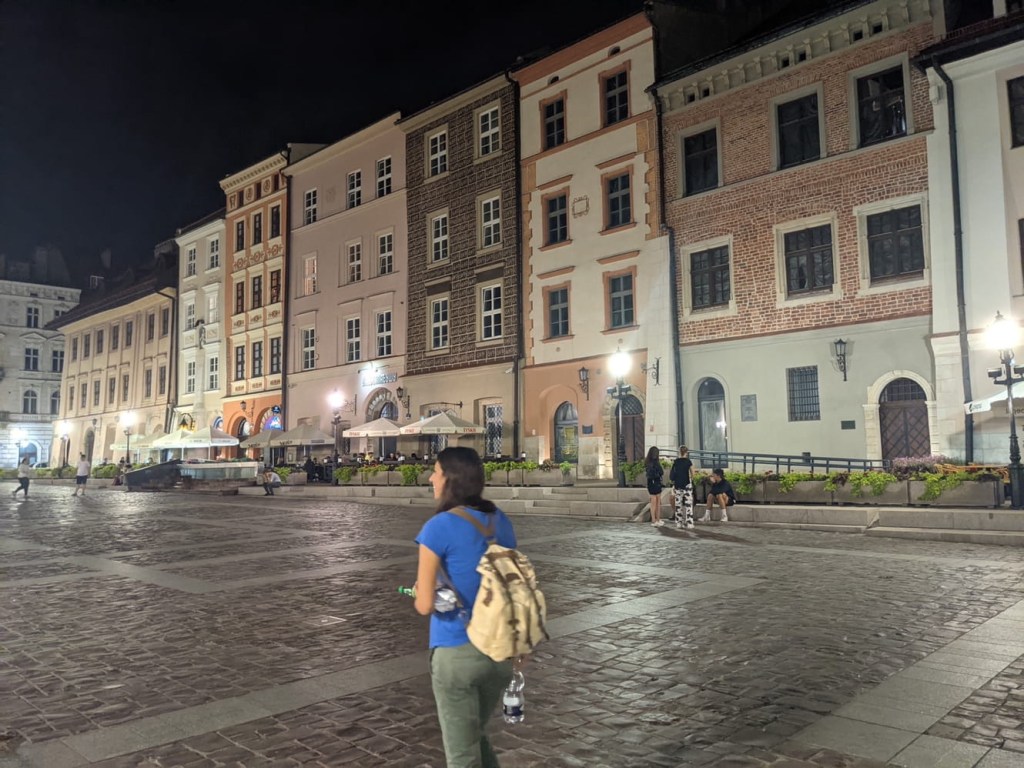
I let Nicole drive for a spell, but it was perhaps a bit cruel because she ended up doing the final bit into Krakow which was heavy with traffic and apparently no solid traffic rules. Traffic lights were out and it became kind of a free-for-all. We are staying at an apartment in the old town, which is pedestrian-only, so we had to park a distance away and walk in. Our place is pretty nice. We will be able to do laundry and cook should the need arise. Having not had a proper meal all day, we went hog for dinner. We have vowed to eat better tomorrow.
 passports & pepto bismol